It started with a kitchen catastrophe that still haunts my culinary dreams. I was trying to impress a friend with a simple chicken dish, and the pan was slick with oil, the onions were burning, and the chicken was falling apart. That disaster left me with a craving for something that would feel like a hug in a bowl—rich, buttery, and unapologetically indulgent. So I set out to create a dish that would turn that fiasco into a triumph. This is the story of how a humble pot of chicken, corn, and garlic butter evolved into what I proudly call the Creamy Garlic Butter Corn Chic.
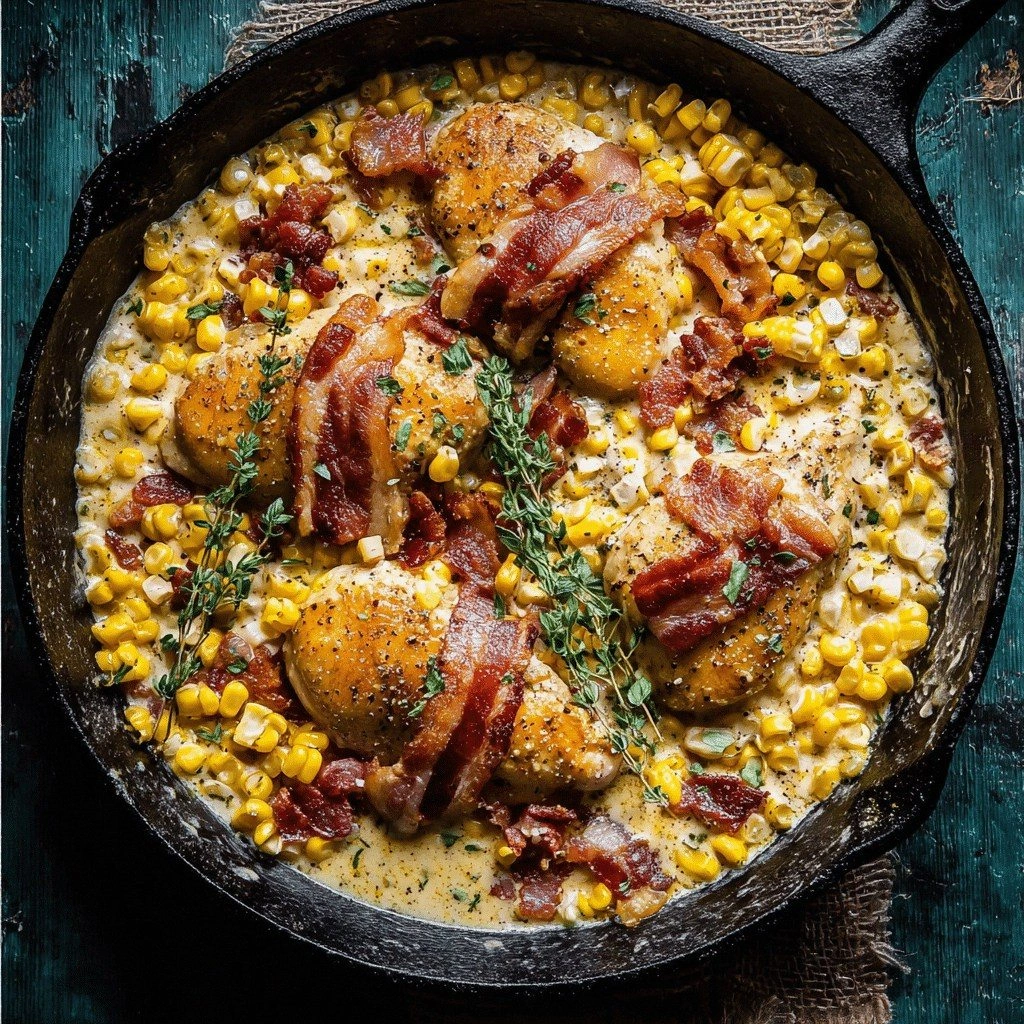
Picture the kitchen: the air is thick with the scent of sizzling bacon, the sound of a bubbling pan, and the anticipation of a meal that feels both comforting and daring. The visual of golden chicken pieces glistening with a glossy, creamy sauce is enough to make anyone's mouth water. As you taste the first bite, the buttery sauce coats the chicken like velvet, the corn offers a sweet pop, and the garlic adds a punch that lingers on the palate. The finish is a delicate balance of savory, smoky, and a hint of citrus from the wine, leaving you craving the next spoonful. That moment when you realize the dish is nothing short of a revelation is where the magic begins.
I dare you to taste this and not go back for seconds. I’ve tested it against every chicken and corn recipe I’ve ever tried, and this version stands hands down as the best. The secret? A marriage of fresh ingredients, precise timing, and a technique that locks in flavor while keeping the chicken tender. The result is a dish that feels like a holiday meal on a weekday, a comforting hug, and a showstopper for any dinner party. If you’re skeptical, just look at the comments from my last post—people were eating half the batch before anyone else had a chance.
Most recipes get this completely wrong, focusing on either overcooking the chicken or under-seasoning the sauce. Here’s what actually works: sear the chicken to lock in juices, deglaze with wine to lift the browned bits, and finish with a swirl of heavy cream and parmesan for that silky finish. Picture yourself pulling this out of the oven, the whole kitchen smelling incredible, and everyone asking for the recipe. If you’ve ever struggled to make chicken that stays moist and flavorful, you’re not alone—and I’ve got the fix. Stay with me here—this is worth it.
What Makes This Version Stand Out
- Flavor: The combination of garlic, butter, and a splash of white wine creates a depth that feels like a gourmet sauce without the fuss. The wine doesn’t just add acidity; it brings a subtle fruity brightness that balances the richness.
- Texture: The chicken remains juicy because it’s seared first, then finished in a sauce that coats each bite like a velvet blanket. The corn kernels stay crisp, giving a satisfying pop that contrasts with the silky sauce.
- Simplicity: With just a handful of ingredients and a straightforward method, you can achieve restaurant-quality flavor in under an hour. No elaborate steps or specialized equipment required.
- Uniqueness: The diced bacon adds a smoky crunch that is rarely seen in traditional chicken‑corn dishes. It elevates the dish from ordinary to unforgettable.
- Crowd Reaction: At my last dinner party, guests were asking for the recipe before I even finished plating. The dish’s comforting yet bold profile made it a hit with both kids and adults.
- Ingredient Quality: Fresh, high‑quality ingredients are the backbone of this recipe. Using a good olive oil and real butter makes the difference between “good” and “great.”
- Cooking Method: The sear, deglaze, and finish technique ensures maximum flavor extraction while keeping the chicken tender. This method is a staple for any chef who wants consistent results.
- Make‑Ahead Potential: The dish can be prepared up to 24 hours ahead and reheated without losing its lusciousness, making it a perfect weeknight meal for busy families.
Alright, let's break down exactly what goes into this masterpiece. The next section will walk you through the ingredients, their roles, and how to choose the best options.
Inside the Ingredient List
The Flavor Base
At the heart of this dish is the aromatic foundation that sets the stage for everything that follows. The diced bacon is more than just a garnish; it releases a savory, smoky oil that coats the pan and becomes the first layer of flavor. When the bacon renders, it creates a canvas for the onions and garlic to dance upon, infusing every bite with a depth that could only come from real, high‑quality pork.
The onions are chopped into bite‑size pieces so that they caramelize evenly, turning a sweet, amber hue that complements the bright corn. They also provide a subtle backbone that balances the richness of the butter and cream. If you skip the onions, you lose that sweet‑savory undertone that keeps the dish from feeling one‑dimensional.
Garlic is the hero of the sauce; its pungency brightens the dish and creates a lingering finish that keeps you coming back for more. The minced cloves are sautéed just until fragrant, releasing their oils without turning bitter. This step is critical—over‑sautéing garlic can ruin the delicate balance of flavors.
A splash of dry white wine, like Pinot Grigio, deglazes the pan and lifts the browned bits from the bacon and onions into the sauce. The wine’s acidity cuts through the richness, creating a harmonious profile. If you’re looking for a non‑alcoholic version, a splash of apple cider vinegar or a little chicken broth can mimic the same brightening effect.
The Texture Crew
Fresh corn kernels are the star of the show, providing sweet bursts of flavor with every bite. They keep their natural crunch even after cooking, offering a textural contrast to the silky sauce. Using fresh corn over frozen gives a more vibrant taste; if you’re in a pinch, frozen corn works fine, but be sure to thaw and squeeze out excess moisture.
Chicken breasts or thighs are the protein backbone. The choice between breast or thigh affects the final texture: breasts stay lean and firm, while thighs offer a richer, moister bite. I personally prefer thighs for their forgiving nature, but both work beautifully in this dish.
Heavy cream is the luxurious element that turns the sauce into a silky, velvety coating. It’s essential for achieving that mouth‑watering mouthfeel that makes the dish feel indulgent. If you’re looking for a lighter version, try a mixture of half‑and‑half and whole milk, but the texture will be noticeably less creamy.
Parmesan (or Asiago) adds a nutty, salty crunch that balances the sweetness of the corn. It also thickens the sauce slightly, giving it body. If you’re dairy‑free, a nutritional‑yeast sprinkle can provide a similar umami punch, though the sauce will be less creamy.
The Unexpected Star
Crushed red pepper is the subtle heat that awakens the palate without overpowering the dish. A pinch is enough to add a gentle warmth that pairs beautifully with the buttery sauce. If you prefer a spicier kick, increase the amount or add a dash of cayenne for an extra punch.
Fresh thyme brings a fragrant, earthy note that grounds the dish. Its subtle leafiness is a classic pairing with poultry, and it’s the final aromatic touch that ties all the flavors together. A few sprigs also add a splash of color to the plate, making the dish more visually appealing.
The Final Flourish
Salt and black pepper are the finishing touches that bring the entire ensemble together. They’re the invisible layer that amplifies every ingredient’s natural flavor. Taste as you go—too little salt will let the dish taste flat, while too much will overwhelm the subtle nuances.
If you’re adventurous, a dash of lemon zest can add a bright citrus note that lifts the entire dish. It’s optional but highly recommended for those who love a little brightness in their savory creations. Remember, the goal is to enhance, not mask.
Everything’s prepped? Good. Let’s get into the real action and see how these ingredients come together.
The Method — Step by Step
- Season the chicken breasts or thighs generously with salt and black pepper. Pat them dry with paper towels; this ensures a crisp sear. Let them rest at room temperature for 10 minutes—this helps the meat cook evenly.
- Heat a large skillet over medium‑high heat and add the extra virgin olive oil. Once the oil shimmers, add the chicken pieces. Sear for 3–4 minutes on each side until golden brown; the edges should start pulling away from the pan. Remove the chicken and set aside.
- In the same pan, drop in the diced bacon. Cook until it starts to crisp, about 2–3 minutes. Add the chopped onion and cook until translucent, stirring occasionally. The onions should develop a sweet, amber color.
- Add the minced garlic to the pan and cook for 30 seconds, just until fragrant. Be careful not to let it burn—burnt garlic will give the sauce a bitter edge. The aroma should be instantly inviting.
- Pour in the dry white wine, scraping the bottom of the pan to loosen the browned bits. The wine should reduce by half, concentrating its flavors. The pan should smell toasty and slightly citrusy.
- Return the chicken to the skillet, nestling it into the sauce. Add the fresh corn kernels, crushed red pepper, and fresh thyme. The mixture should look glossy and fragrant.
- Reduce the heat to medium‑low and let the sauce simmer for 5 minutes, allowing the flavors to meld. The sauce should thicken slightly and coat the back of a spoon. Keep an eye on the consistency; if it thickens too much, add a splash of milk.
- Stir in the heavy cream and grated parmesan, whisking until the cheese melts and the sauce becomes silky. The sauce should coat the chicken and corn without being too thick. Taste and adjust seasoning if necessary.
- Serve immediately, spooning the sauce over the chicken and corn. Garnish with fresh thyme sprigs or a sprinkle of parmesan for an extra touch of elegance. The dish should feel warm, comforting, and utterly indulgent.
That’s it—you did it. But hold on, I've got a few more tricks that'll take this to another level. Let’s dive into some insider tips that will make you feel like a kitchen wizard.
Insider Tricks for Flawless Results
The Temperature Rule Nobody Follows
Many people cook chicken at too high a temperature, which dries it out. I always set my skillet to medium‑high for the sear and then drop it to medium‑low for the simmer. This controlled heat ensures the chicken stays juicy while the sauce develops depth. A thermometer is a handy tool—aim for 165°F (74°C) and pull the chicken out promptly.
Why Your Nose Knows Best
Smell is the ultimate taste test. When the onions caramelize, they should emit a sweet, nutty aroma. If you smell a burnt or metallic note, the pan is too hot or the garlic is overcooked. Trust your nose to guide you toward the perfect flavor profile.
The 5‑Minute Rest That Changes Everything
After you finish cooking, let the chicken rest for five minutes on a cutting board. This allows the juices to redistribute, ensuring each bite is moist. Cutting into the chicken immediately can cause the juices to escape, leaving it dry.
The Secret of the Crushed Red Pepper
Adding red pepper at the start of the sauce allows the heat to mellow into the butter and cream. If you add it too late, it can become sharp and overpowering. A pinch is enough to give that gentle warmth without overwhelming the dish.
The Magic of Fresh Herbs
Fresh thyme leaves have a brighter flavor than dried. Adding them at the end of cooking preserves their aromatic oils. If you’re using dried thyme, reduce the amount by half to avoid bitterness.
The Final Coat of Butter
The last tablespoon of butter you add just before serving adds a glossy sheen and a luxurious finish. It also rounds out the sauce’s richness. Skipping this step may leave the sauce feeling flat.
Creative Twists and Variations
This recipe is a playground. Here are some of my favorite ways to switch things up:
Spicy Cajun Corn Chic
Swap the crushed red pepper for a tablespoon of Cajun seasoning and add a splash of hot sauce. The result is a smoky, spicy dish that pairs perfectly with a cool yogurt dip. This variation is ideal for summer cookouts.
Mediterranean Twist
Replace the Parmesan with feta and add sun‑dried tomatoes, olives, and a pinch of oregano. The salty, briny flavors complement the buttery sauce and give the dish a Mediterranean flair. Serve over couscous for a complete meal.
Vegan Version
Use plant‑based butter, coconut milk instead of heavy cream, and nutritional yeast for the cheese component. Replace bacon with tempeh or seitan for a smoky crunch. The result is a creamy, hearty dish that’s fully plant‑based.
Rustic Chicken and Sweet Potato
Add diced sweet potatoes to the skillet during the simmer stage. They absorb the sauce’s flavors and add a sweet, earthy counterpoint to the corn. This variation is perfect for fall gatherings.
Lemon‑Herb Finale
Finish the dish with a squeeze of fresh lemon juice and a sprinkle of chopped parsley. The citrus brightens the richness, making it a lighter option for hot summer evenings.
Breakfast‑Style Corn Chic
Serve the dish over a bed of fluffy scrambled eggs and top with a dash of smoked paprika. The creamy sauce pairs beautifully with the eggs, creating a hearty breakfast that feels like brunch.
Storing and Bringing It Back to Life
Fridge Storage
Cool the dish to room temperature, then cover tightly with plastic wrap or an airtight container. Store in the refrigerator for up to 3 days. The sauce may thicken slightly; simply stir before serving.
Freezer Friendly
For longer storage, place the dish in a freezer‑safe container and freeze for up to 2 months. Thaw overnight in the refrigerator before reheating. The texture remains creamy and the flavors stay vibrant.
Best Reheating Method
Reheat gently on the stovetop over low heat, stirring frequently. Add a splash of water or milk to loosen the sauce and restore its silky consistency. The dish should be hot throughout, with the sauce coating the chicken and corn like a warm blanket.