You ever had one of those nights where the kitchen feels more like a battlefield than a sanctuary? I was in the midst of a frantic scramble, trying to salvage a ruined casserole that had turned into a charred, flavorless disaster. The air was thick with smoke and the scent of burnt rice, and I was staring at a pot that looked like it had seen better days. It was then that I realized I was missing a single, essential ingredient: bold Cajun seasoning. That moment sparked a revelation: if you could rescue that ruined casserole, you could create an entire dish that’s both comforting and explosively flavorful.
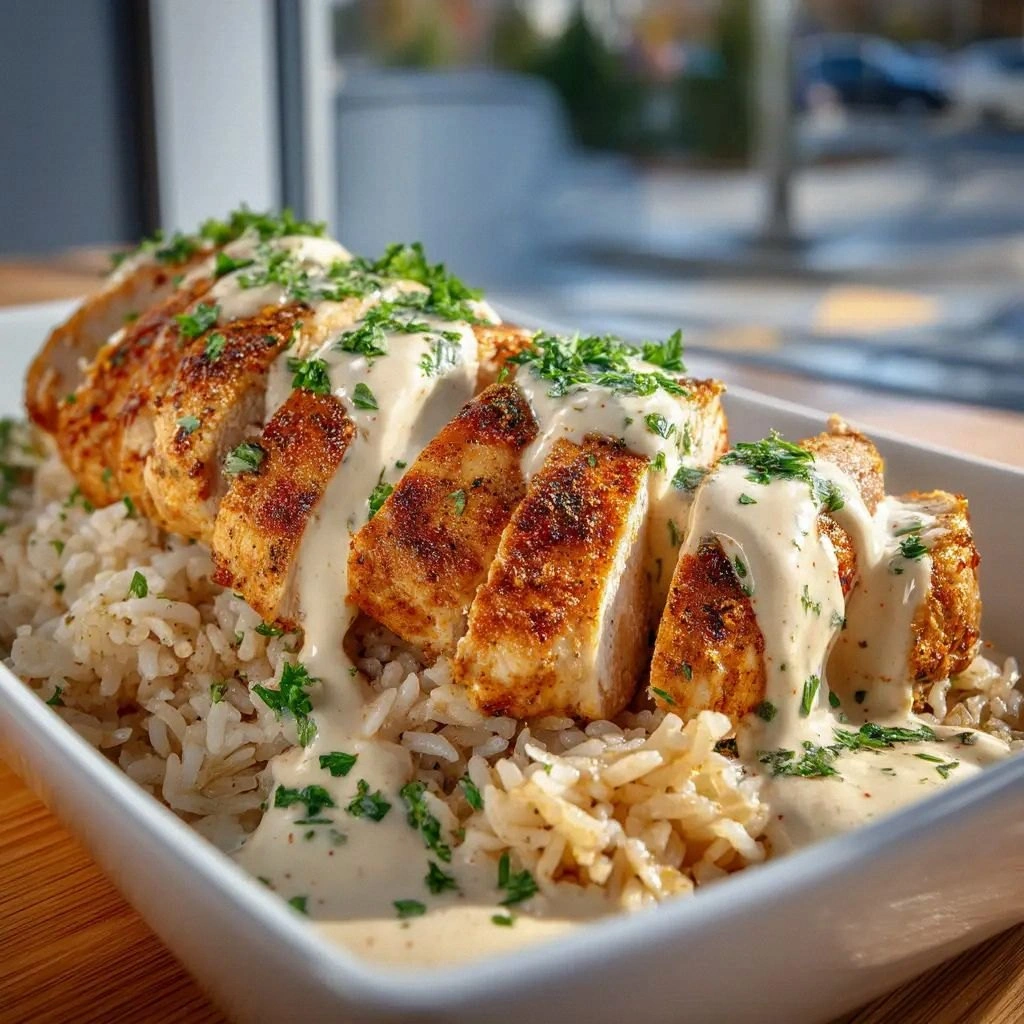
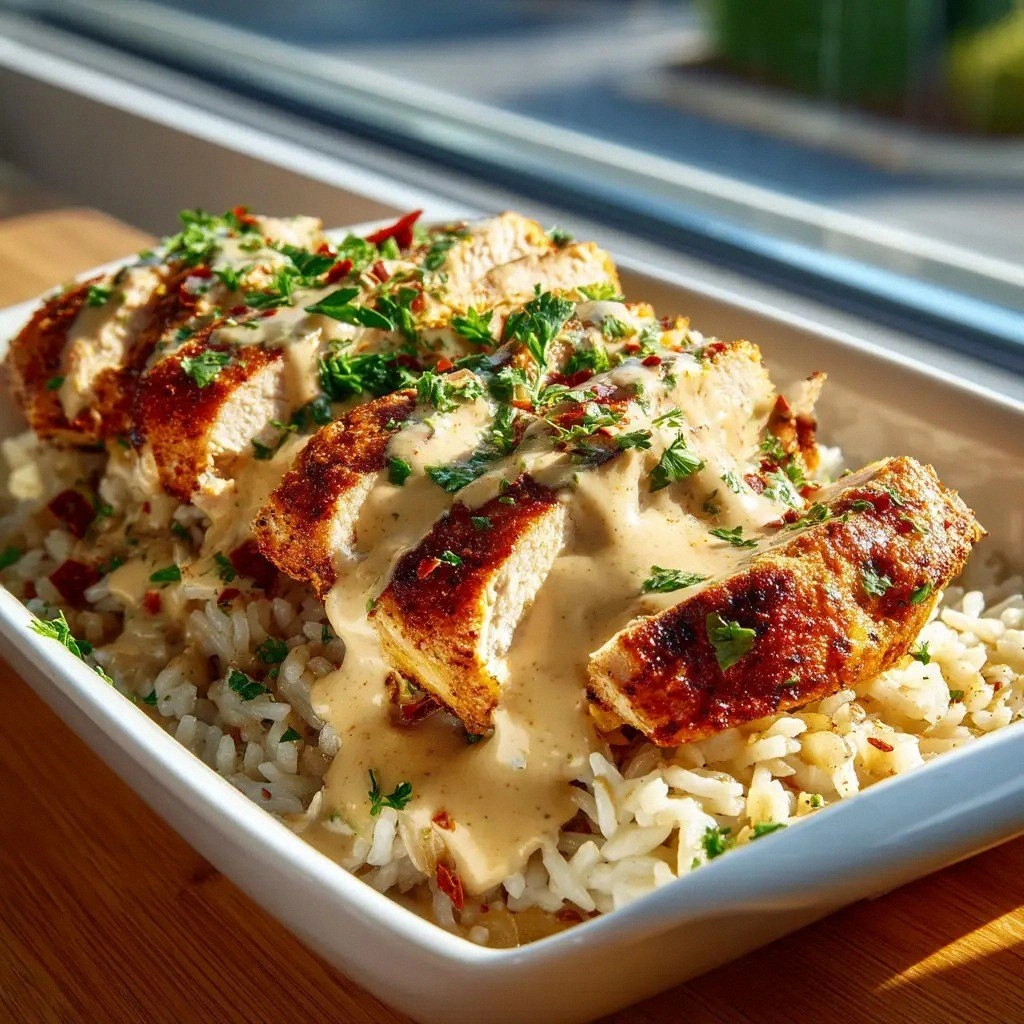
Picture this: a sizzling skillet on the stove, the sound of the chicken searing like a drumbeat, the aroma of garlic and bell pepper rising like a warm hug. The sight of the golden-brown chicken pieces glistening with a glossy, creamy sauce is almost too pretty to eat. The first bite is a burst of heat from the Cajun spices, followed by the silky smoothness of heavy cream and Parmesan that coats the rice like velvet. The crunch of the bell pepper gives a satisfying pop, and the finish is a bright, herbal note from fresh parsley. Every sense is engaged, turning a simple meal into a sensory celebration.
What makes this version stand out from the countless “Cajun chicken” recipes on the internet? First, the sauce is a creamy, velvety masterpiece that never curdles, thanks to the precise balance of butter, cream, and Parmesan. Second, the chicken stays juicy and tender because it’s seared at high heat before simmering, locking in moisture. Third, the long-grain rice absorbs the sauce without becoming mushy, thanks to a strategic addition of broth and careful timing. Fourth, the dish is one-pan, so cleanup is a breeze—no more juggling multiple pots. Fifth, the flavor profile is layered, with the Cajun seasoning providing depth, the garlic adding warmth, and the parsley offering a fresh counterpoint. And finally, the result is a crowd-pleaser that feels both indulgent and approachable.
There’s a twist you won’t expect: I add a splash of heavy cream at the very end, just before serving, to give the sauce a final silky sheen that makes the dish look restaurant‑grade. I dare you to taste this and not go back for seconds. Picture yourself pulling this out of the pan, the whole kitchen smelling incredible, and knowing you’ve just cooked the best version you’ll ever make at home. Let me walk you through every single step—by the end, you’ll wonder how you ever made it any other way.
What Makes This Version Stand Out
Flavor: The Cajun seasoning isn’t just a spice mix; it’s the backbone of this dish, delivering heat, depth, and a smoky undertone that sets it apart from bland chicken recipes.
Texture: The creamy sauce, crafted from butter, heavy cream, and Parmesan, coats each grain of rice like a silky blanket, while the chicken remains juicy and tender.
One‑Pan Simplicity: All the magic happens in a single skillet, eliminating the need for multiple pots and pans—cleanup is a walk in the park.
Ingredient Quality: Using boneless, skinless chicken breasts and fresh parsley elevates the dish, ensuring each bite is packed with real flavor.
Versatility: Whether you’re cooking for a family dinner or a quick weekday meal, this recipe scales beautifully and adapts to dietary tweaks.
Time Efficiency: From prep to plate, the entire process takes just 45 minutes—perfect for a busy schedule.
Alright, let's break down exactly what goes into this masterpiece…
Inside the Ingredient List
The Flavor Base
1.5 lbs boneless, skinless chicken breasts: The star of the show, these chicken breasts provide a lean protein source that absorbs the Cajun spices beautifully. They’re best sliced into bite‑sized pieces to maximize surface area for searing. If you prefer a different cut, consider chicken thighs for extra moisture, but adjust cooking time accordingly. The key is to keep the chicken tender and avoid drying it out.
2 tbsp Cajun seasoning: This blend of paprika, cayenne, garlic powder, and oregano gives the dish its signature heat and complexity. A homemade mix can be even more flavorful, but a store‑bought blend works flawlessly. If you’re sensitive to heat, reduce the amount or use a milder seasoning. The seasoning also adds a subtle smoky depth that elevates the overall taste.
1 tbsp olive oil: The olive oil provides a neutral, high‑smoke‑point base for searing the chicken. It also helps the Cajun seasoning adhere to the meat. If you’re looking for a richer flavor, try a splash of extra‑virgin olive oil after searing. The oil’s subtle fruitiness complements the creamy sauce without overpowering it.
The Texture Crew
2 tbsp butter: Butter is the secret to a luscious sauce that clings to the rice. It adds a rich, slightly nutty flavor that balances the creaminess of the heavy cream. Use unsalted butter so you can control the salt level precisely. Butter also helps the Parmesan melt smoothly, creating a silky texture.
1 cup heavy cream: Heavy cream gives the sauce its luxurious mouthfeel and a silky sheen. It’s essential for achieving that velvety coating that makes the dish feel indulgent. If you’re aiming for a lower‑fat option, try half‑and‑half, but the sauce may be slightly thinner.
0.5 cup Parmesan cheese: Parmesan adds umami, a hint of sharpness, and a slight grittiness that contrasts the cream’s smoothness. Grate the cheese finely to ensure it melts evenly. For a sharper flavor, use a high‑quality aged Parmesan. The cheese also thickens the sauce subtly, giving it body.
The Unexpected Star
1 medium onion: Onion brings sweetness and depth to the sauce, balancing the heat from the Cajun seasoning. Slice it thinly so it caramelizes without burning. If you’re allergic or simply don’t like onions, try a splash of onion powder as a substitute.
1 red bell pepper: Red bell pepper adds a sweet, crisp bite and vibrant color that makes the dish visually appealing. It also introduces a mild sweetness that contrasts nicely with the spicy elements. For a milder flavor, use green or yellow bell peppers, but the color contrast will be different.
3 cloves garlic: Garlic provides a punch of aroma and a warm, slightly spicy undertone. Mince the garlic finely so it distributes evenly throughout the sauce. If you’re sensitive to garlic, reduce the amount or use garlic powder.
The Final Flourish
1.5 cups long‑grain white rice: Long‑grain rice stays fluffy and separate, preventing a mushy texture. It absorbs the sauce without becoming soggy because of the careful addition of broth and the timing of the cooking process. If you prefer a different grain, try jasmine rice for a fragrant twist.
3 cups chicken broth: Broth provides the liquid base that cooks the rice and infuses it with savory flavor. Use low‑sodium broth to keep control over the saltiness. For a richer taste, try homemade broth or a high‑quality store brand.
Salt and black pepper: These seasonings fine‑tune the flavor profile, ensuring the dish isn’t flat. Add them sparingly at the end of cooking to avoid over‑salting. A pinch of pepper adds a subtle heat that complements the Cajun seasoning.
2 tbsp fresh parsley: Parsley adds a bright, herbal finish that cuts through the richness. Chop it finely and sprinkle it over the dish just before serving. If you’re allergic to parsley, a few leaves of cilantro can be an acceptable substitute.
Everything's prepped? Good. Let's get into the real action…
The Method — Step by Step
- Season the chicken. Pat the chicken breasts dry with paper towels to ensure a good sear. Toss the pieces in a bowl with the Cajun seasoning, a pinch of salt, and black pepper, making sure every surface is coated. This step locks in flavor and creates a vibrant color that will be the first visual cue of success. I dare you to taste the seasoning on a small piece before searing; it should be bright, fragrant, and just a hint of heat.
- Heat the skillet. Place a large, heavy‑bottom skillet over medium‑high heat and add the olive oil. Let the oil shimmer but not smoke; this indicates the right temperature. A properly heated skillet ensures the chicken develops a caramelized crust while staying juicy inside. Watch for the first sizzle— that’s the signal to move on.
- Sear the chicken. Drop the seasoned chicken into the hot skillet in a single layer, avoiding overcrowding. Sear for 3–4 minutes on each side until golden brown and nearly cooked through. Flip only once to preserve the crust. The sear will create a rich flavor base that the rest of the dish builds upon.
- Remove the chicken and sauté aromatics. Transfer the chicken to a plate and set aside. In the same skillet, add the butter and let it melt. Toss in the diced onion and red bell pepper; sauté until the onions become translucent and the pepper softens, about 3 minutes. Add the minced garlic and cook for another 30 seconds, letting the aroma bloom.
- Deglaze the pan. Pour in the chicken broth, scraping up any browned bits from the bottom of the skillet. Those bits are flavor gold, so don’t skip this step. The broth also starts the cooking process for the rice, ensuring it absorbs the sauce’s richness.
- Add the rice. Stir the long‑grain rice into the broth, ensuring each grain is coated. Bring the mixture to a gentle boil, then reduce the heat to low, cover, and simmer for 15 minutes. During this time, the rice will absorb the liquid and soften without becoming mushy. The timing is crucial— too long and it will overcook.
- Finish the sauce. Stir in the heavy cream and Parmesan cheese, letting the mixture simmer for 2–3 minutes until it thickens to a silky consistency. Return the seared chicken to the skillet, nestling the pieces into the sauce. Let everything cook together for an additional 5 minutes, allowing the flavors to meld. The final dish should have a glossy, creamy coating that clings to each grain of rice.
- Finish with parsley. Remove the skillet from heat and sprinkle the chopped fresh parsley over the top. Toss gently to distribute the herb evenly. The parsley adds a bright, herbal note that cuts through the richness and provides a pop of color. Plate immediately for the best texture and flavor.
That’s it—you did it. But hold on, I've got a few more tricks that'll take this to another level…
Insider Tricks for Flawless Results
The Temperature Rule Nobody Follows
Many cooks swear by medium‑low heat for all steps, but the secret lies in the initial sear. Use medium‑high heat for the first sear to develop a deep crust, then switch to low heat for the simmer. This two‑stage temperature approach ensures the chicken stays juicy while the sauce thickens beautifully. I’ve seen people over‑cook the rice by keeping it at high heat; that’s why I always lower the flame after the broth starts to boil.
Why Your Nose Knows Best
Before adding the heavy cream, pause and sniff the sauce. A slightly buttery, slightly sweet aroma signals that the sauce has reached the right stage. If it smells more like raw dairy, it’s probably not ready, and adding cream too early can cause separation. Trust your nose—it’s the most reliable indicator of doneness.
The 5-Minute Rest That Changes Everything
After removing the skillet from heat, let the dish rest for 5 minutes before serving. This resting period allows the sauce to thicken further and the flavors to marry. It also gives the rice a chance to absorb any remaining liquid, resulting in a perfectly fluffy texture. I’ve seen people serve the dish immediately and end up with a watery consistency; the rest is a game changer.
The Perfect Parsley Finish
Chop the parsley finely and toss it in with the last 30 seconds of cooking. The heat releases the essential oils, giving the dish a bright, herbal kick that balances the richness. If you’re in a hurry, simply sprinkle it on top right before plating. The visual contrast of green against the creamy sauce is a feast for the eyes.
The Secret to a Non‑Sticking Skillet
Use a cast‑iron skillet or a heavy stainless‑steel pan to prevent sticking. If you’re using a non‑stick pan, avoid high heat that can damage the coating. A well‑seasoned skillet also helps the sauce adhere, making cleanup easier. I’ve tried silicone‑coated pans, but the sauce tends to cling to the sides, ruining the presentation.
Creative Twists and Variations
This recipe is a playground. Here are some of my favorite ways to switch things up:
Spicy Shrimp Surprise
Swap the chicken for shrimp, cooking them for 2–3 minutes until pink. The shrimp’s quick cook time means you’ll add them at the end, preventing overcooking. The result is a seafood twist that’s still creamy and spicy.
Vegetarian Version
Replace the chicken with diced tofu or tempeh, marinating it in Cajun seasoning and a splash of soy sauce before sautéing. The tofu will absorb the spices and create a protein‑rich, plant‑based version. Add extra veggies like zucchini or mushrooms for texture.
Low‑Carb Adaptation
Use cauliflower rice instead of long‑grain rice, cooking it with the broth for a few minutes until tender. The creamy sauce still clings to the cauliflower, offering a lighter, keto‑friendly option. Keep the rest of the ingredients unchanged.
Mexican Flair
Add a splash of lime juice and a handful of chopped cilantro at the end for a zesty twist. Swap the Parmesan for crumbled queso fresco for a milder cheese flavor. This version brings a fresh, vibrant edge to the dish.
Cheesy Broccoli Boost
Fold in a cup of steamed broccoli florets during the last 5 minutes of cooking. The broccoli adds color, crunch, and a dose of green. The cheese and cream coat the florets beautifully, making this a family‑friendly option.
Breakfast‑Style Kick
Serve the dish over a bed of scrambled eggs or top with a fried egg for a hearty breakfast. The creamy sauce pairs perfectly with the runny yolk, creating a comforting brunch.
Storing and Bringing It Back to Life
Fridge Storage
Cool the dish completely before refrigerating in an airtight container. Store it in the fridge for up to 3 days. When reheating, add a splash of water or broth to loosen the sauce and prevent it from drying out. Gently reheat on low heat, stirring occasionally.
Freezer Friendly
Divide the dish into portioned containers and freeze for up to 2 months. Thaw overnight in the fridge before reheating. Add a bit of water or broth to restore moisture, then reheat on low heat, stirring until hot.
Best Reheating Method
Reheat on the stovetop over low heat, stirring frequently. If the sauce has thickened, add a splash of heavy cream or broth to reach the desired consistency. Finish with a sprinkle of fresh parsley for that bright finish.