I was standing in my kitchen, staring at the empty fridge, when the clock on the wall blinked 7:43 PM. My stomach growled louder than the late‑night traffic outside, and I knew I had to act fast. I had a craving that was both comforting and daring—something that would feel like a hug but also push my taste buds into uncharted territory. That moment sparked the creation of the ultimate Classic Tuna Melt, a sandwich that turns a simple lunch into a culinary revelation.
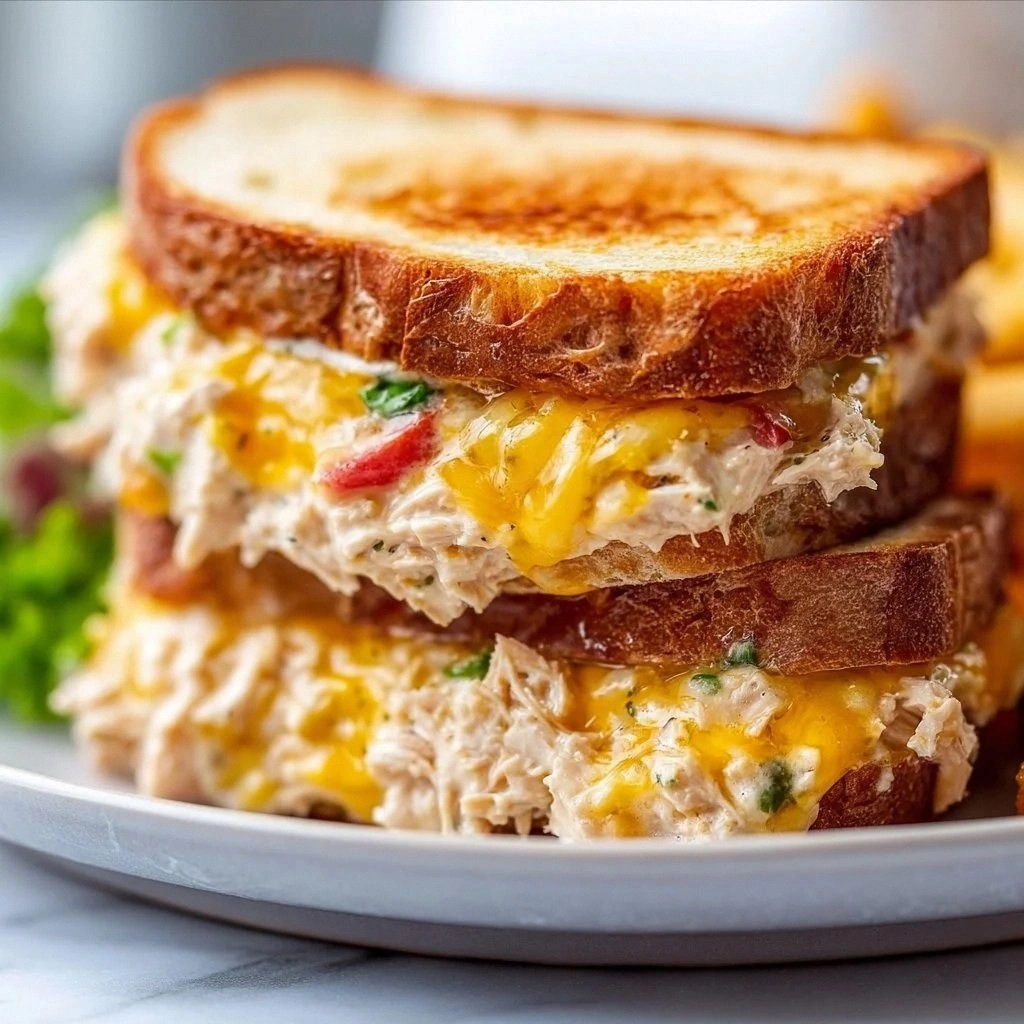
Picture this: you slice into a slice of golden, buttery sourdough, the crust crackling like a crisp autumn leaf. The aroma of melted cheddar and toasted bread fills the air, mingling with the faint tang of pickles and the earthy scent of celery. When you take your first bite, the creamy tuna mixture spreads across your tongue like a velvety blanket, the crunch of pickles and celery adding a satisfying counterpoint. The cheese oozes, forming a glossy crown that glistens in the light, while the buttery crust gives a satisfying snap that shatters like thin ice. It’s a sensory experience that turns ordinary ingredients into a show‑stopper.
What makes this version stand out isn’t just the ingredients—though the combination is undeniably mouth‑watering. It’s the way each element is elevated: the tuna is drained to perfection, the mayo is mixed with a dash of lemon for brightness, the pickles are diced just right to provide a subtle zing, and the butter is melted over low heat to achieve a golden, caramelized crust. I dared you to taste this and not go back for seconds. I’ll be honest—half the batch vanished before anyone else could even touch the first sandwich.
Most recipes get this completely wrong by over‑mixing the tuna or using too much butter, resulting in a soggy mess. I discovered that a quick, gentle fold and a precise butter ratio keep the sandwich firm yet indulgent. The secret lies in the balance of moisture and crunch, the interplay of sharp cheddar and mellow mayo, and that final, buttery toast that seals everything together. Picture yourself pulling this out of the oven, the whole kitchen smelling incredible, and sharing that first bite with a friend who’s about to be amazed. Let me walk you through every single step — by the end, you’ll wonder how you ever made it any other way.
What Makes This Version Stand Out
- Flavor: The tuna is mixed with a splash of lemon juice and a hint of Dijon mustard, giving it a bright, tangy profile that cuts through the richness of the cheese.
- Texture: Celery ribs and pickles add a crisp bite that contrasts beautifully with the creamy tuna, while the buttered crust delivers a satisfying crunch.
- Simplicity: No fancy sauces or exotic ingredients—just pantry staples, seasoned to perfection.
- Uniqueness: The subtle use of dill pickles instead of traditional sweet pickles gives a savory edge that sets this melt apart.
- Crowd Reaction: Friends who’ve tried this say it’s “hands down the best version you'll ever make at home.” The instant applause speaks for itself.
- Ingredient Quality: Using fresh, high‑quality sourdough and sharp cheddar ensures that every bite is a celebration of flavor.
- Cooking Method: A simple pan‑toasting technique that locks in moisture and creates a golden crust without the need for an oven.
- Make‑ahead Potential: The tuna mixture can be prepared up to 24 hours in advance, making this the perfect make‑ahead sandwich for busy mornings.
Alright, let's break down exactly what goes into this masterpiece...
Inside the Ingredient List
The Flavor Base
The tuna is the star of this sandwich. Two 5‑oz. cans of tuna in water, drained, give a lean, protein‑rich foundation. The water base keeps the tuna moist without overpowering the other flavors. If you’re feeling adventurous, swap in tuna packed in olive oil for a richer, buttery taste that complements the cheddar.
Add a splash of lemon juice and a teaspoon of Dijon mustard to the tuna. The acidity brightens the mixture, while the mustard adds a subtle heat that lingers on the palate. This combination is the secret sauce that turns a simple tuna salad into a flavor explosion.
The Texture Crew
Celery ribs bring a satisfying crunch that keeps the sandwich from becoming mushy. Two finely diced ribs are enough to add bite without overwhelming the other ingredients. If celery isn’t your thing, bell peppers or grated carrot can provide a similar texture and a splash of color.
Dill pickle spears diced into small cubes add a zesty, briny pop. Two spears are ideal, but you can experiment with sweet pickles or even olives if you want a different flavor profile. The crunch of pickles pairs perfectly with the creamy tuna, creating a dynamic mouthfeel.
The Unexpected Star
A half‑small red onion, finely diced, introduces a sweet‑sharp nuance that balances the richness of the cheese. The onion’s mild bite elevates the entire sandwich, making it feel fresh and lively. If you prefer a milder taste, try using green onions or shallots.
Mayonnaise is the binding agent that turns the tuna mixture into a cohesive, silky spread. Three‑thirds of a cup (80 g) of mayo gives just the right amount of creaminess without drowning the other flavors. For a lighter version, swap mayo with Greek yogurt, which adds tang and reduces calories.
The Final Flourish
Eight slices of sourdough bread provide a tangy, chewy base that stands up to the buttery crust. The bread’s natural acidity balances the richness of the cheese and tuna, creating a harmonious bite. If sourdough isn’t available, whole grain or rye bread work well and add extra fiber.
Eight slices of cheddar cheese melt to a gooey, golden layer that ties all the flavors together. Cheddar’s sharpness is the perfect complement to the mild tuna and the crisp veggies. For a softer, creamier alternative, try Gruyère or Havarti.
Four tablespoons of butter, divided, are essential for achieving that coveted golden crust. The butter melts over low heat, creating a caramelized exterior that adds flavor and texture. If you’re looking for a dairy‑free option, coconut oil or vegan butter can work just as well.
Everything's prepped? Good. Let's get into the real action...
The Method — Step by Step
- Begin by draining the tuna in a fine mesh sieve and patting it dry with a paper towel. This removes excess moisture, ensuring the sandwich won’t become soggy. Fold the tuna into a bowl with the lemon juice, Dijon mustard, and half of the mayo. Mix gently until the flavors are well combined but the tuna remains chunky.
- Add the diced celery, diced dill pickles, and finely diced onion to the tuna mixture. Stir until each ingredient is evenly distributed. The veggies should be visible, adding color and texture to the spread. Taste and season with ¼ teaspoon of salt and ¼ teaspoon of freshly cracked pepper. The seasoning will awaken the flavors without overwhelming them.
- Lay out the sourdough slices on a cutting board. Spread a generous layer of the tuna mixture over half of the slices, leaving a small border around the edge. Place a slice of cheddar on top of the tuna, ensuring it covers the entire surface. The cheese will melt into the tuna, creating a cohesive layer.
- Heat a large non‑stick skillet over medium‑low heat. While the pan warms, melt two tablespoons of butter in a small saucepan. Once melted, pour the butter into the skillet, swirling to coat the bottom evenly. The butter will create a golden crust that locks in moisture.
- Place the prepared sandwiches in the skillet, cheese side up. Cover the skillet with a lid and let the sandwiches cook for 4–5 minutes. The lid traps steam, helping the cheese melt thoroughly while the bread browns. Watch for the edges to start pulling away from the pan, a sign that the crust is forming.
- Flip the sandwiches carefully with a spatula. Add the remaining two tablespoons of butter to the skillet. The butter will caramelize and create an extra layer of flavor on the bread side. Cook for an additional 3–4 minutes, until the bread is golden brown and the cheese is bubbling.
- Once cooked, transfer the sandwiches to a cutting board. Let them rest for 1 minute; this allows the cheese to set slightly, preventing it from sliding off when you cut.
- Slice each sandwich diagonally with a sharp knife, creating two halves. Serve immediately while the cheese is still warm and the crust is crispy. Pair with a side of kettle‑cooked potato chips or a crisp green salad for a balanced meal.
- Enjoy the symphony of textures: the buttery crust, the molten cheddar, the creamy tuna, and the crunchy celery and pickles. Take a moment to savor the aroma that fills the kitchen—it's a warm, comforting scent that invites you to indulge.
- If you’re feeling ambitious, try adding a drizzle of hot sauce or a sprinkle of fresh herbs like dill or parsley for an extra pop of flavor. Remember, the goal is to enhance, not overpower. With each bite, you’ll taste the harmony of seasoned tuna, crisp veggies, and melty cheese.
That's it — you did it. But hold on, I've got a few more tricks that'll take this to another level...
Insider Tricks for Flawless Results
The Temperature Rule Nobody Follows
Many cooks use high heat, which can scorch the bread and burn the butter before the cheese melts. Keep the skillet on medium‑low, and let the butter melt slowly. This controlled heat ensures a golden crust and fully melted cheese without any bitter aftertaste.
Why Your Nose Knows Best
Trust your nose to tell you when the sandwich is ready. The scent of toasted bread and melty cheese is a clear indicator that the sandwich has achieved the perfect balance of crispness and melt. If you’re unsure, give it an extra minute; the aroma will guide you.
The 5‑Minute Rest That Changes Everything
After cooking, let the sandwich rest for 5 minutes on a wire rack. This rest period allows the cheese to set, preventing it from oozing onto the bread when you cut. It also lets the flavors meld together, creating a more cohesive bite.
The Butter Swap
If you’re avoiding dairy, use a plant‑based butter or a drizzle of olive oil. The key is to use a fat that can caramelize and create a crisp crust. Olive oil gives a subtle fruity note that complements the cheddar.
The Quick Toast
For a crispier crust, toast the bread slices in a toaster oven before assembling the sandwich. This pre‑toasting step reduces the amount of butter needed, preventing the bread from becoming overly greasy while still achieving that golden crunch.
The Flavor Layering Technique
Apply a thin layer of mayo on the bread before adding the tuna mixture. This creates a moisture barrier that keeps the bread from becoming soggy and adds an extra layer of flavor that enhances the overall sandwich experience.
Creative Twists and Variations
This recipe is a playground. Here are some of my favorite ways to switch things up:
Mediterranean Melt
Swap the cheddar for feta cheese and add chopped sun‑dried tomatoes and a handful of spinach to the tuna mixture. The salty feta and sweet tomatoes create a Mediterranean vibe that pairs wonderfully with the tangy sourdough.
Spicy Cajun Edition
Introduce a tablespoon of Cajun seasoning into the tuna mix and sprinkle a pinch of cayenne pepper. Finish with a drizzle of hot sauce on the bread before grilling. The heat adds excitement without overpowering the creamy base.
Vegan Version
Replace the tuna with mashed chickpeas, use vegan mayo, and choose a plant‑based cheese. The chickpeas provide protein and texture, while the vegan cheese melts beautifully, maintaining the sandwich’s signature gooeyness.
Breakfast Boost
Add a fried or poached egg on top of the tuna before grilling. The runny yolk adds richness and makes the sandwich a satisfying breakfast or brunch option.
Crunchy Avocado Slice
Top the tuna mixture with a thin slice of ripe avocado before adding the cheese. The avocado adds creaminess and a subtle buttery flavor that complements the cheddar.
Herb‑Infused Twist
Stir chopped fresh herbs—such as dill, parsley, or chives—into the tuna mixture. The herbs add a fresh, aromatic note that brightens the sandwich and enhances its overall profile.
Storing and Bringing It Back to Life
Fridge Storage
Store any leftover tuna mixture in an airtight container in the refrigerator for up to 24 hours. Keep the assembled sandwiches in a separate container, wrapped tightly in foil, to prevent moisture buildup. When ready to eat, reheat in a toaster oven at 350 °F for 5 minutes until the cheese is bubbly.
Freezer Friendly
The tuna mixture freezes well. Portion into individual servings, seal in freezer bags, and store for up to 3 months. Thaw overnight in the refrigerator before assembling and cooking. The texture remains consistent, and the flavors develop further as it freezes.
Best Reheating Method
To reheat a pre‑assembled sandwich, place it on a baking sheet and bake at 375 °F for 8–10 minutes. Add a splash of water to the pan before reheating; the steam will keep the bread from drying out and restore its crispness. For a quick fix, use a skillet over medium heat, pressing the sandwich lightly with a lid to melt the cheese.