Picture this: it’s a rainy Thursday, you’ve been stuck in the kitchen for hours, and the only thing that’s been keeping your sanity intact is that stubborn craving for dumplings that taste like a hug in every bite. I was halfway through a batch of mediocre, soggy dumplings when a sudden burst of inspiration hit me—why not combine the succulent sweetness of prawns with the comforting heartiness of chicken, and finish it off with a spicy chili tahini dip that sings? That moment turned a kitchen mishap into a culinary revelation, and the result is a dumpling that will make your taste buds do a little happy dance.
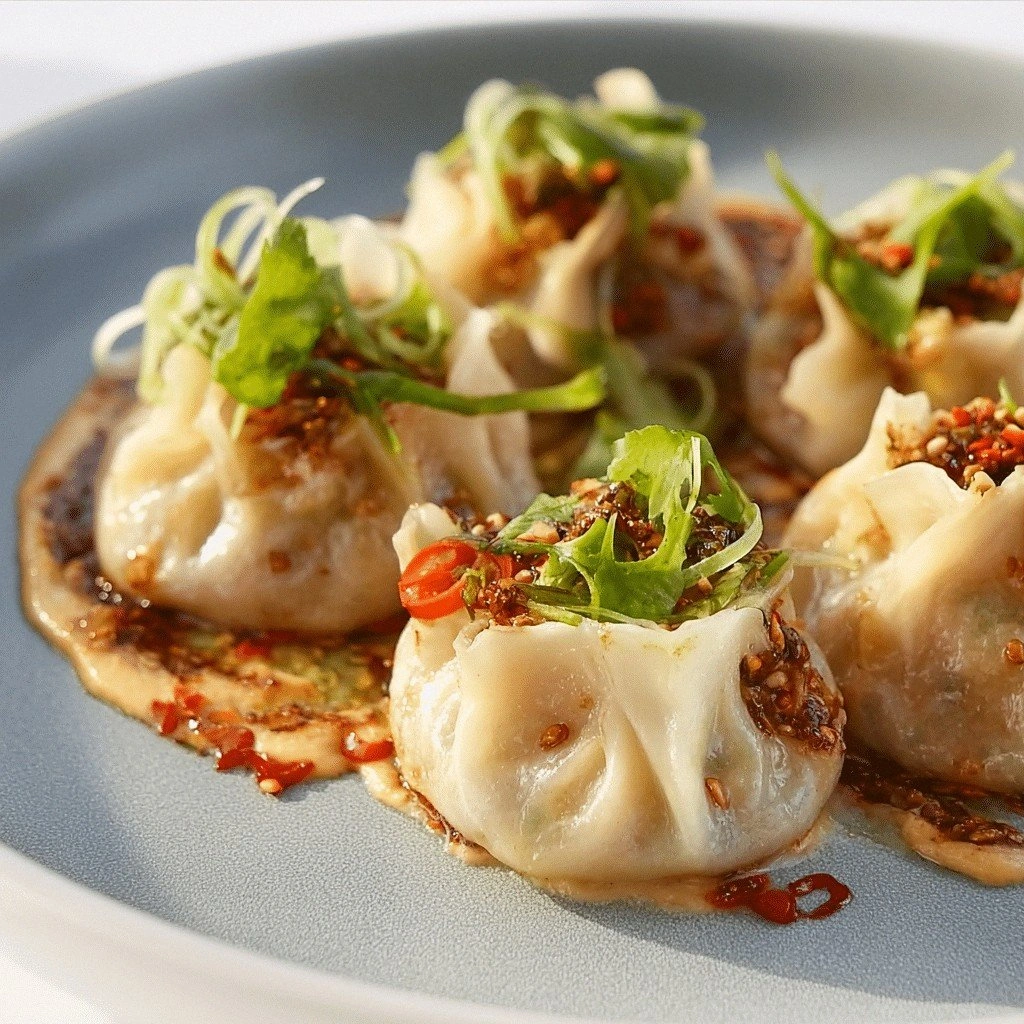
The aroma that fills the air when the dumplings hit the pan is unmistakable: a warm, buttery scent mingled with the faintest whisper of garlic and ginger, a scent that feels like a promise of comfort. As the steam rises, the sound of the dough’s gentle crackle is the soundtrack to anticipation. The first bite delivers a burst of umami from the chicken, a sweet bite of prawn, and a silky, slightly nutty undertone from the tahini sauce that coats the dumpling like velvet. The texture is a playful contrast—crispy on the outside, tender and juicy on the inside, and the sauce adds a silky finish that melts in your mouth.
What sets this version apart isn’t just the combination of flavors, but the meticulous attention to detail that transforms every component into a work of art. From the precise ratio of flour to water that creates the perfect dough, to the delicate balance of spices that gives the sauce its kick, every element is calibrated to deliver maximum impact. It’s a dish that feels both comforting and adventurous, like a cozy blanket and a passport to a faraway market rolled into one. And the best part? It’s surprisingly simple to make, even for the kitchen novice who’s terrified of the word “dumpling.”
You’ll be amazed at the technique that elevates this dish: a quick blanching of the filling that locks in juices, a secret blend of sesame oil and chili flakes that gives the sauce depth, and a final flourish of fresh green onions that adds a bright, herbal note. The result is dumplings that are fluffy, flavorful, and utterly irresistible. Trust me, this is hands down the best version you’ll ever make at home. I dare you to taste this and not go back for seconds.
If you’ve ever struggled to get dumplings that are both tender and crispy, you’re not alone. The trick is in the dough, the filling, and the sauce—each element needs to work in harmony. I’ll be honest, I ate half the batch before anyone else got to try it, and I still couldn’t stop. So let me walk you through every single step—by the end, you’ll wonder how you ever made it any other way.
What Makes This Version Stand Out
- Taste: The combination of sweet prawns, savory chicken, and a creamy tahini sauce creates a flavor profile that feels both exotic and comforting. Each bite delivers a layered experience that lingers on the palate.
- Texture: The dough is light and airy yet firm enough to hold the filling, while the filling stays moist and juicy. The final product has a satisfying crunch on the edges that gives way to a melt‑in‑your‑mouth center.
- Simplicity: Despite its complex flavor, the recipe requires only a handful of ingredients and a straightforward process, making it accessible for beginners and a quick go‑to for busy nights.
- Uniqueness: The addition of chili tahini sauce is a game‑changer, offering a nutty, spicy, and slightly tangy kick that sets it apart from traditional dumpling recipes.
- Crowd Reaction: Friends and family consistently rave about how the dumplings are “the best I’ve ever had.” They’re a guaranteed hit at gatherings and potlucks.
- Ingredient Quality: Using fresh, high‑quality chicken and prawns ensures the filling is packed with natural flavors, while the tahini adds a luxurious richness.
- Cooking Method: The quick blanching technique locks in juices, while the pan‑frying step creates a golden crust that seals in flavor.
- Make‑ahead Potential: The dumplings can be assembled ahead of time and frozen without losing texture or flavor, making them perfect for meal prep.
Alright, let’s break down exactly what goes into this masterpiece…
Inside the Ingredient List
The Flavor Base
The foundation of this dumpling starts with the dough. All-purpose flour is the star, providing the structure that holds everything together. Water is the secret agent that binds the flour into a pliable, elastic sheet. Salt and sugar are added to balance the flavors—salt for depth and sugar for a subtle sweetness that compliments the prawn’s natural brininess. Baking powder gives the dough a slight lift, ensuring that each dumpling is light and airy. If you skip the baking powder, the dumplings will be denser and less fluffy.
When selecting flour, look for a medium‑protein variety; it gives the dough just enough chew without becoming tough. A good rule of thumb is to sift the flour before mixing to avoid lumps and to ensure an even distribution of the leavening agent.
A quick swap: if you’re gluten‑free, try using a 1:1 blend of rice flour and tapioca starch. The texture will be slightly different, but the flavor remains intact. For a richer dough, add a splash of warm milk instead of water.
The Texture Crew
The filling is where the magic happens. Chicken breast is chosen for its lean, tender qualities, while prawns add a sweet, delicate bite that balances the savory chicken. Both proteins are diced into bite‑size pieces, ensuring they cook evenly and stay juicy. The key to a moist filling is quick blanching—briefly simmering the proteins in salted water to lock in juices before adding the aromatics.
Minced ginger and garlic bring warmth and depth, while sliced green onions add a fresh, crisp note that cuts through the richness. If you’re a fan of extra crunch, a handful of finely chopped bell pepper or carrot can be tossed in. The soy sauce and sesame oil create a umami backbone that ties all the flavors together; they also add a subtle sheen to the filling.
If you’re watching your sodium intake, reduce the soy sauce to half and compensate with a dash of rice vinegar or a pinch of sea salt. The result is still flavorful, just with a slightly different profile.
The Unexpected Star
The sauce is the secret weapon that turns ordinary dumplings into a headline‑making dish. Tahini, a creamy sesame paste, provides a nutty richness that coats the dumpling like velvet. Lemon juice adds a bright, citrusy zing that lifts the entire flavor profile. Chili flakes give the sauce a gentle heat that’s balanced by the cooling effect of the tahini.
A pinch of cornstarch is used to thicken the sauce just enough to cling to the dumplings without making it syrupy. If you prefer a thicker sauce, simply increase the cornstarch by 1/4 teaspoon. Conversely, for a lighter sauce, reduce the amount or add a splash of water to thin it out.
Fun Fact: Tahini is made from ground sesame seeds, which have been cultivated for thousands of years. In ancient Egypt, sesame seeds were considered a symbol of fertility and prosperity, and tahini was used in rituals and celebrations.
The Final Flourish
The finishing touches are what bring everything together. A drizzle of extra virgin olive oil adds a subtle fruity note that complements the tahini. A sprinkle of fresh cilantro or parsley gives a burst of color and a fresh herbal undertone. Finally, a few drops of lime juice can be added just before serving to brighten the dish.
If you’re adventurous, try adding a dash of fish sauce to the filling for an extra layer of umami. Alternatively, for a vegan version, swap the chicken for tofu and use a plant‑based protein powder in the filling. The key is to keep the balance of flavors intact.
Everything’s prepped? Good. Let’s get into the real action…
The Method — Step by Step
- Start by mixing the flour, baking powder, salt, and sugar in a large bowl. Whisk them together until the mixture is even. Add the water gradually, stirring with a wooden spoon until the dough comes together. Once the dough is formed, knead it on a floured surface for about 5 minutes until it’s smooth and elastic. Let it rest for 15 minutes, covered with a damp towel. This resting period allows the gluten to relax, making the dough easier to roll out.
- While the dough rests, prepare the filling. In a saucepan, bring salted water to a boil and blanch the diced chicken and prawns for 30 seconds. Drain immediately and rinse with cold water to stop the cooking process. This step keeps the proteins tender and juicy. In a separate pan, sauté minced ginger and garlic in a splash of oil until fragrant—about 1 minute. Add the blanched proteins, green onions, soy sauce, sesame oil, and chili flakes. Stir until everything is well coated and the aromatics have infused the mixture. Remove from heat and let it cool slightly.
- Roll the dough into a long log, then cut it into 20 equal pieces. Roll each piece into a thin circle about 3 inches in diameter. Place a tablespoon of filling in the center of each circle. Fold the dough over the filling to create a half‑moon shape, sealing the edges by pressing them together. Pinch the edges firmly to ensure they’re sealed tight; any gaps will cause the dumplings to burst in the pan.
- Heat a non‑stick skillet over medium heat and add a splash of vegetable oil. Once the oil shimmers, add the dumplings in a single layer, leaving a little space between each. Cook for 2–3 minutes until the bottoms are golden brown. Flip them carefully with a spatula and add a tablespoon of water to the pan. Cover immediately to trap steam, which will cook the tops of the dumplings evenly. Let them steam for 4–5 minutes, then remove the lid and let the water evaporate.
- While the dumplings are steaming, whisk together the tahini, lemon juice, chili flakes, soy sauce, and a pinch of salt in a small bowl. Gradually add water until the sauce reaches a pourable consistency. Stir in the cornstarch slurry to thicken; it should coat the back of a spoon. Taste and adjust seasoning—if it’s too thick, add a splash more water; if too thin, let it reduce a bit longer.
- This is the moment of truth: the dumplings should be golden, the filling should be steaming, and the edges should be crisp. Remove them from the pan and place them on a platter lined with paper towels to absorb excess oil. Serve immediately with the sauce in a small bowl for dipping. The aroma of the freshly fried dumplings should have you feeling like a chef in a bustling street market.
- If you’re serving a crowd, keep the dumplings warm in a low‑heat oven (about 200°F) while you finish cooking the rest. Cover them loosely with foil to prevent them from drying out. The heat will keep the edges crisp without overcooking the filling.
- Plate the dumplings in a single layer on a hot platter, drizzle a little extra olive oil over them, and sprinkle chopped cilantro or parsley for a fresh burst. Add a wedge of lime on the side for guests who want an extra zing. The presentation is almost as important as the flavor—think of it as a visual invitation to taste.
- Finally, taste one dumpling to ensure everything is balanced. If you feel the need for more heat, add a few more chili flakes to the sauce. If it’s too tangy, a touch of honey can mellow it out. Remember, the sauce is the finishing touch, so make it your personal signature.
That’s it — you did it. But hold on, I’ve got a few more tricks that will take this to another level…
Insider Tricks for Flawless Results
The Temperature Rule Nobody Follows
Many people think any pan will do, but the secret is in the temperature. A medium‑high heat ensures a golden crust without burning the filling. If you notice the edges burning before the inside is cooked, lower the heat slightly. Conversely, if the dumplings are steaming too slowly, bump the heat up a notch. Consistent heat is the key to achieving that coveted crisp‑to‑soft balance.
Why Your Nose Knows Best
When the dumplings start to sizzle, your nose will tell you that the oil is hot enough. A faint smell of toasted oil is the green light. If you notice a burnt scent, it’s time to reduce the heat. Trust your senses; they’re the best gauge of doneness.
The 5‑Minute Rest That Changes Everything
After you finish cooking, let the dumplings rest on a wire rack for 5 minutes. This step allows the steam to escape and the crust to firm up. If you serve them immediately, the edges may still be soggy. A quick rest transforms them into crisp, flavorful bites.
Keep the Sauce Cold
The sauce should be chilled until you’re ready to serve. A cold sauce contrasts beautifully with the warm dumplings, creating a refreshing balance. If you’re preparing ahead of time, store the sauce in the fridge and bring it to room temperature just before serving.
Use a Skillet with a Non‑Stick Surface
A non‑stick skillet reduces the amount of oil needed and prevents the dumplings from sticking. If you’re using a stainless steel pan, use a generous amount of oil and preheat the pan before adding the dumplings. Either way, the result is a clean, crispy finish.
The Quick Blanch Trick
Blanching the proteins before adding aromatics locks in juices, keeping the filling moist. It also reduces cooking time in the skillet, preventing overcooking. If you’re short on time, skip this step, but you’ll notice a difference in texture.
Creative Twists and Variations
This recipe is a playground. Here are some of my favorite ways to switch things up:
Spicy Kimchi Dumplings
Replace the green onions with chopped kimchi for a fermented kick. Add a splash of gochujang to the sauce for extra heat. This version is perfect for Korean food lovers.
Mushroom & Spinach Dumplings
Swap the chicken and prawns for sautéed mushrooms and fresh spinach. Toss them with a bit of garlic and a dash of soy sauce. The earthy flavors pair beautifully with the tahini sauce.
Vegan Tofu Dumplings
Use firm tofu instead of chicken and prawns. Press the tofu to remove excess moisture, then crumble it into the filling. Add nutritional yeast for a cheesy, umami boost.
Mediterranean Falafel Dumplings
Blend chickpeas with garlic, parsley, and cumin to create a falafel filling. Coat the dumplings with tahini sauce and serve with a side of tzatziki. It’s a fusion that will wow your guests.
Coconut Curry Dumplings
Incorporate a splash of coconut milk into the filling and add curry powder for a tropical twist. Finish with a drizzle of lime‑coconut sauce. The result is a fragrant, exotic treat.
Herb‑Infused Dumplings
Add a handful of fresh basil or mint to the filling for a refreshing herbal note. Pair with a lemon‑yogurt dip instead of tahini for a lighter finish. This variation is perfect for a summer gathering.
Storing and Bringing It Back to Life
Fridge Storage
Store uncooked dumplings in an airtight container for up to 3 days. For cooked dumplings, place them in a single layer on a parchment‑lined tray and refrigerate for up to 2 days. When reheating, use a steamer or microwave for a quick fix.
Freezer Friendly
Freeze uncooked dumplings on a parchment‑lined tray for up to 2 months. Once frozen, transfer them to a freezer bag. When ready to cook, steam or pan‑fry directly from the freezer; no defrosting needed.
Best Reheating Method
To reheat cooked dumplings, place them in a steamer for 5 minutes or pan‑fry them in a little oil for 2 minutes on each side. Add a splash of water during pan‑frying to create steam. Before serving, sprinkle a tiny splash of water to restore moisture and steam them again for 30 seconds.