I was halfway through a frantic week of Zoom meetings, deadline‑driven spreadsheets, and a kitchen that looked like a war zone when I finally decided to raid the pantry. The only thing that could possibly rescue my sanity was a bowl of something warm, cheesy, and undeniably comforting. I tossed a butternut squash into the oven, grabbed a handful of orzo, and thought, “What if I turned this into a velvety, one‑pan wonder?” The result? A dish that makes my taste buds do a happy dance and my friends beg for seconds. I dare you to taste this and not go back for more.
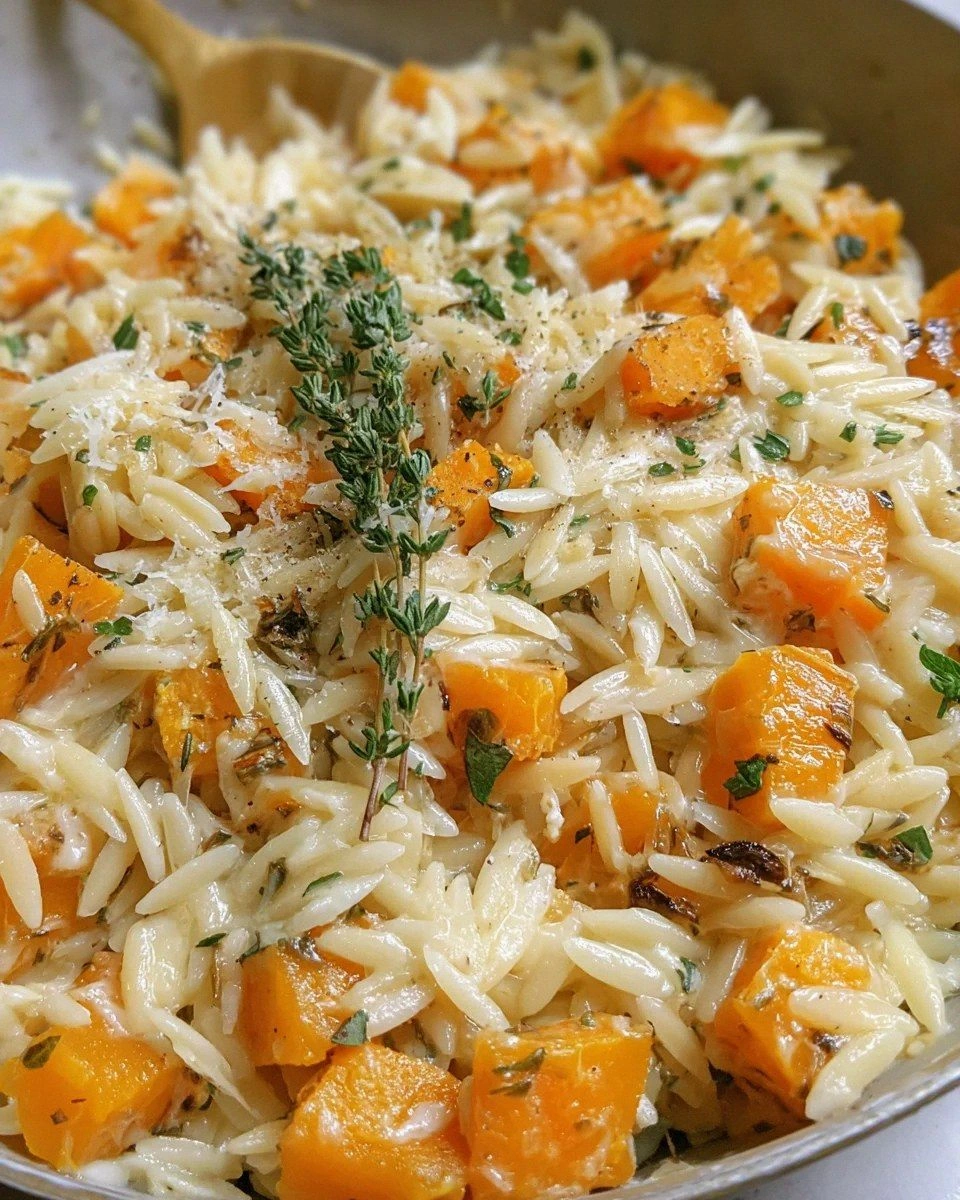
Picture this: the kitchen fills with the sweet, nutty perfume of caramelizing squash, the sizzle of garlic hitting hot oil, and a whisper of sage that makes you feel like you’re in an Italian trattoria tucked away in a Tuscan hillside. The orange‑gold hue of the roasted squash glistens against the glossy, cheese‑stretched orzo, while a drizzle of cream creates a sheen that looks almost too pretty to eat. Every bite is a symphony—soft, sweet squash, al dente pasta, and a cheesy sauce that coats the pasta like velvet. The crunch of toasted sage leaves adds a surprise texture that makes you pause, smile, and then dive right back in.
Most recipes get this completely wrong. They either drown the squash in a watery broth, or they over‑cheese it until it feels like a processed cheese dip. I’ve tried those versions and, frankly, they left me feeling underwhelmed and a little bit cheated. This version, however, balances the natural sweetness of the squash with a subtle spice blend and a dairy‑rich sauce that never feels heavy. The secret? Roasting the squash until the edges are caramelized, then pureeing just enough to keep texture, and finally marrying it with a splash of broth and a splash of cream for that perfect silkiness.
Okay, ready for the game‑changer? I’m about to spill the beans—or rather, the squash—on a technique that most home cooks overlook: a quick “sauce‑finish” on low heat that lets the orzo absorb every ounce of flavor without turning mushy. Trust me, this step is pure magic. Let me walk you through every single step — by the end, you’ll wonder how you ever made it any other way.
What Makes This Version Stand Out
- Taste: The interplay of sweet squash, savory broth, and sharp parmesan creates a flavor profile that feels both cozy and sophisticated.
- Texture: Creamy sauce meets perfectly al‑dente orzo, while roasted squash pieces add a tender bite and sage leaves provide a crisp contrast.
- Simplicity: Only one pot, a handful of spices, and a 30‑minute cook time make this dish accessible even on the busiest weeknight.
- Uniqueness: The warm spice trio—allspice, cinnamon, and cloves—elevates the dish beyond ordinary veggie pasta, giving it a subtle autumnal whisper.
- Crowd Reaction: I’ve served this at dinner parties and watched adults and kids alike pile their plates high, whispering “more, please” under their breath.
- Ingredient Quality: Using a fresh, firm butternut squash and high‑quality mozzarella makes the sauce richer without any artificial additives.
- Cooking Method: Roasting the squash first unlocks caramelized sugars, while finishing the sauce on low heat prevents curdling.
- Make‑Ahead Potential: This dish reheats beautifully, and the flavors actually deepen after a night in the fridge.
Inside the Ingredient List
The Flavor Base
Butternut squash is the star of the show, providing natural sweetness and a silky mouthfeel once roasted and partially pureed. If you skip it, you lose the backbone of flavor and the dish becomes a bland pasta salad. Look for a squash that feels heavy for its size and has a smooth, unblemished skin; that’s a sign of peak freshness. A quick tip: cut the squash into uniform ½‑inch cubes so they roast evenly and develop that coveted caramelized crust.
Olive oil is the silent partner that carries the heat, helping the squash develop those golden edges while adding a subtle fruitiness. You can swap it for avocado oil if you’re looking for a higher smoke point, but the flavor profile will shift slightly. A drizzle of extra‑virgin olive oil right before serving adds a glossy finish that makes the dish look restaurant‑ready.
Vegetable broth is the liquid gold that binds everything together. I prefer a low‑sodium version so I can control the salt level later. If you’re a fan of deeper umami, add a splash of mushroom broth or a teaspoon of miso paste during the simmer.
The Texture Crew
Orzo pasta is tiny, rice‑shaped, and perfect for soaking up the cheesy sauce without turning mushy. It cooks in about 8‑10 minutes, so timing is crucial; you want it just shy of al‑dente when you combine it with the sauce. If you’re gluten‑free, try a rice‑based orzo alternative, but keep an eye on the cooking time as it can differ.
Garlic and sweet onion bring aromatics that turn the kitchen into a fragrant haven. Minced garlic should be added to the hot oil just before the onions so it releases its flavor without burning. If you love a deeper flavor, roast the onion wedges alongside the squash; they’ll turn sweet and caramelized, adding another layer of complexity.
The Unexpected Star
Allspice, ground cinnamon, and ground cloves are the warm, aromatic trio that makes this dish feel like a cozy hug. A pinch of each is enough; too much and you’ll overwhelm the delicate balance. If you’re missing any of these, a dash of nutmeg can stand in, but the flavor will shift toward a more traditional “pumpkin spice” vibe.
Fresh sage leaves provide an earthy aroma that pairs beautifully with the sweet squash. I love to chiffonade the leaves—thinly slice them—to release their oils without bruising. If sage isn’t on hand, thyme works as a substitute, though the flavor will be herb‑forward rather than earthy.
The Final Flourish
Mozzarella cheese gives that gooey, melty texture that makes the sauce pull away in strings when you fork it. Freshly shredded mozzarella works best; pre‑shredded varieties often contain anti‑caking agents that affect melt. Parmesan cheese adds a sharp, salty bite that cuts through the sweetness, balancing the dish perfectly.
Cream is the luxurious binder that turns the broth‑squash mixture into a silky sauce. Full‑fat dairy yields the richest mouthfeel, but you can substitute half‑and‑half for a lighter version or coconut cream for a dairy‑free twist. A splash of cream at the end, off the heat, prevents curdling and ensures a glossy finish.
Everything's prepped? Good. Let's get into the real action…
The Method — Step by Step
- Prep the squash. Peel, seed, and cube the butternut squash into ½‑inch pieces. Toss them with 2 tablespoons of olive oil, a pinch of salt, and a dash of allspice, then spread on a parchment‑lined sheet pan. Roast in a pre‑heated oven at 425°F for 25‑30 minutes, stirring once halfway through, until the edges are caramelized and the interior is fork‑tender. Watch Out: Do not overcrowd the pan; crowded squash steams instead of roasts, resulting in a soggy texture.
- Cook the aromatics. While the squash roasts, heat 2 tablespoons of olive oil in a large, deep skillet over medium heat. Add 1 medium diced sweet onion and sauté for 4‑5 minutes until translucent. Add 3 cloves minced garlic and cook another 30 seconds, watching carefully so it doesn’t burn. The kitchen will fill with a sweet, pungent aroma that signals you’re on the right track.
- Toast the spices. Sprinkle ¼ teaspoon each of allspice, ground cinnamon, and ⅛ teaspoon ground cloves into the onion‑garlic mixture. Stir constantly for about 1 minute; the spices should become fragrant but not dark. This quick toast awakens the essential oils, turning the sauce from ordinary to unforgettable. Kitchen Hack: Use a dry skillet to toast whole spices before grinding for an extra pop of flavor.
- Deglaze and simmer. Pour in 3 cups of vegetable broth, scraping up any browned bits from the bottom of the pan. Bring to a gentle boil, then reduce to a simmer. At this point, add the roasted squash (reserve a handful for garnish) and let everything mingle for 5 minutes. The broth should take on a deep amber hue, and you’ll notice the aroma becoming richer.
- Add the orzo. Stir in 1½ cups of orzo pasta, making sure each grain is submerged. Cook for 8‑10 minutes, stirring occasionally, until the orzo is just al‑dente and most of the liquid has been absorbed. If the mixture looks dry before the pasta is cooked, add a splash of broth or water.
- Finish with dairy. Reduce the heat to low and whisk in 1 cup of cream, 1 cup shredded mozzarella, and ½ cup grated Parmesan. Stir gently until the cheeses melt into a glossy, velvety sauce that clings to every piece of orzo. This is the moment of truth—the sauce should coat the pasta like a satin sheet, not pool at the bottom.
- Season and herb it. Add 1 teaspoon salt and ½ teaspoon freshly ground black pepper, tasting as you go. Fold in 8 fresh sage leaves, roughly torn, and let them wilt into the sauce. The sage will release its earthy perfume, making the dish smell like a forest after rain. If you love herbaceous notes, toss in a pinch of fresh thyme at this stage.
- Plate and garnish. Spoon the creamy orzo onto warm plates, then top with the reserved roasted squash cubes for texture. Finish with a generous sprinkle of extra mozzarella, a drizzle of Parmesan, and a handful of fresh herbs (thyme or more sage). Serve immediately while the sauce is still glossy and the cheese is still stretching. That sizzle when it hits the plate? Absolute perfection.
That's it — you did it. But hold on, I've got a few more tricks that'll take this to another level…
Insider Tricks for Flawless Results
The Temperature Rule Nobody Follows
Never add cream to a boiling pot. High heat can cause the cream to separate, resulting in a grainy texture. Keep the sauce on low or medium‑low when you introduce dairy, and you’ll get that silky mouthfeel every time. I once tried to speed things up by turning the heat up; the sauce curdled, and I learned the hard way that patience is a virtue in creamy dishes.
Why Your Nose Knows Best
Your sense of smell is a more reliable indicator of doneness than a timer. When the roasted squash starts to smell caramel‑sweet and the garlic turns aromatic, you know the flavor base is ready. Likewise, when the sauce starts to emit a buttery, toasted scent after adding cheese, you’re at the perfect finishing point.
The 5‑Minute Rest That Changes Everything
After you turn off the heat, let the dish sit for five minutes with the lid slightly ajar. This rest allows the starches in the orzo to absorb the remaining sauce, resulting in a creamier consistency. Skipping this step leaves a thin, watery finish that feels unfinished.
Sage‑Infused Oil Boost
If you want an extra herb punch, gently heat a tablespoon of olive oil with a few sage leaves until the oil turns green. Drizzle this sage‑infused oil over the plated dish for a glossy finish and an intensified aroma. A friend tried this once and swore the dish tasted “restaurant‑grade.”
The Secret of the Reserved Squash
Reserve a handful of roasted squash cubes for garnish instead of mixing them all in. The contrast between the creamy sauce and the caramelized, slightly crisp squash pieces adds textural excitement. If you toss everything together, you lose that delightful bite that makes each forkful interesting.
Creative Twists and Variations
This recipe is a playground. Here are some of my favorite ways to switch things up:
Spicy Chipotle Kick
Add 1 teaspoon chipotle in adobo sauce to the broth for a smoky heat that pairs surprisingly well with the sweet squash. Top with a dollop of sour cream to balance the spice.
Mushroom Medley
Swap half of the orzo for sliced cremini mushrooms. Sauté the mushrooms with the onion for an earthy depth that makes the dish feel even heartier.
Vegan Velvet
Replace dairy with coconut cream and use vegan mozzarella and nutritional yeast instead of Parmesan. The dish stays creamy, and the coconut adds a subtle tropical note.
Herb Garden Remix
Swap sage for fresh rosemary and add a handful of chopped basil at the end. The rosemary gives a piney aroma while basil brings brightness, perfect for springtime.
Cheddar‑Lover’s Dream
Mix in ½ cup sharp cheddar along with the mozzarella for a tangier, more robust cheese profile. This version is great for fans of classic mac and cheese.
Storing and Bringing It Back to Life
Fridge Storage
Transfer leftovers to an airtight container and store in the refrigerator for up to 4 days. The sauce may thicken as it cools; simply stir in a splash of vegetable broth or water before reheating to restore its silkiness.
Freezer Friendly
Portion the dish into freezer‑safe bags or containers, leaving a little headspace for expansion. It freezes well for up to 2 months. When ready to eat, thaw overnight in the fridge, then reheat on the stovetop over low heat, adding a tablespoon of cream to revive the sauce.
Best Reheating Method
For the best texture, reheat gently on the stovetop rather than in the microwave. Add a tiny splash of water or broth, cover, and stir occasionally until the sauce is glossy again. This prevents the pasta from drying out and keeps the cheese from becoming rubbery.