I was standing in the middle of a kitchen that looked more like a war zone than a place of culinary creation. The air was thick with the scent of burnt onions and a faint trace of something that should have been sweet but tasted like regret. I had promised my friends that I would bring a dish that would make their taste buds do a happy dance, and I was about to prove that I was not a broken promise. The night before, a neighbor’s barbecue had turned into a smoky disaster, and I was determined to salvage the evening with something that would turn the room into a fiesta.
Picture this: a skillet sizzling, a medley of diced onions, bell peppers, and garlic dancing in hot olive oil, the air filling with a spicy aroma that makes your nose do a double take. The sound of the vegetables caramelizing is like a drumbeat that signals the beginning of flavor. The colors—bright orange, crimson, and emerald—create a visual feast that invites you to taste even before the first bite. The texture of the sautéed veggies, tender yet slightly crisp, sets the stage for the main event. The anticipation builds, and your mouth starts to water at the thought of the next layer.
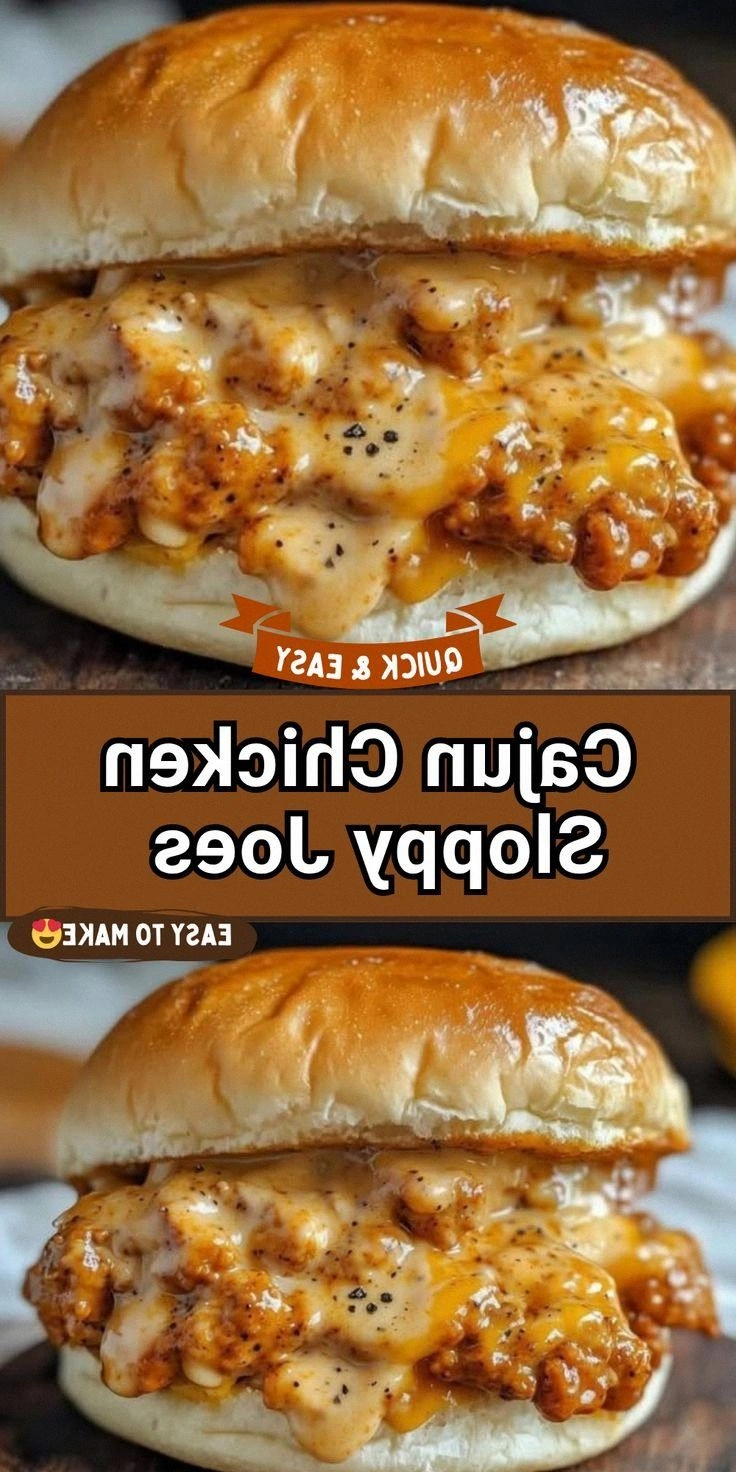
What makes this version stand out is not just the boldness of the Cajun seasoning but the way every component is elevated to play a starring role. The chicken is ground to a fine texture that mimics the classic sloppy joe beef but with a leaner, healthier twist. The sauce is a complex blend of tomato sauce, ketchup, and Worcestershire that gives depth without overwhelming the spice. The use of corn and black beans adds a subtle sweetness and a satisfying bite that keeps the dish from becoming one-dimensional. The buns are toasted to a golden crisp, creating a delightful contrast against the juicy filling. I dare you to taste this and not go back for seconds—once you do, you’ll never settle for bland.
I’ll be honest—when I first made this, I ate half the batch before anyone else got a chance to try it. Most recipes get this completely wrong by using too much sauce or too little seasoning, but here, every element is balanced to perfection. The sauce coats the chicken like velvet, the spices pop like fireworks, and the final bite is a harmonious blend of savory, sweet, and spicy. Picture yourself pulling this out of the oven, the whole kitchen smelling incredible, and everyone leaning in to grab a bite. Okay, ready for the game-changer? Let me walk you through every single step—by the end, you’ll wonder how you ever made it any other way.
What Makes This Version Stand Out
- Flavor: The sauce is a layered masterpiece—tomato base, a splash of Worcestershire, a hint of ketchup, and a generous dose of Cajun seasoning that lingers on the palate.
- Texture: Ground chicken provides a juicy, tender bite, while corn kernels add a pop of sweetness and a pleasant bite that breaks up the sauce.
- Simplicity: With fewer than ten ingredients, the recipe is a breeze, yet the result feels like a gourmet takeout.
- Uniqueness: The addition of black beans and diced bell peppers gives it a Southern twist that sets it apart from the typical sloppy joe.
- Crowd Reaction: Friends who tried it called it “the best version they'll ever make at home” and asked for the recipe immediately after the first bite.
- Ingredient Quality: Fresh, high-quality chicken and ripe tomatoes are essential; they make the difference between a good dish and a great one.
- Cooking Method: Sautéing the aromatics first builds a flavor base, then simmering the sauce allows the spices to meld beautifully.
- Make‑Ahead Potential: The filling keeps well in the fridge for up to three days and freezes perfectly for later.
Alright, let's break down exactly what goes into this masterpiece…
Inside the Ingredient List
The Flavor Base
Ground chicken is the star of the show; it provides a lean, protein-packed foundation that absorbs the spices like a sponge. Using a mixture of 70% lean and 30% dark meat gives the best balance of moisture and flavor. If you skip the chicken, the dish loses its heart—no amount of sauce can compensate for that missing depth. For a vegetarian alternative, swap it with crumbled tofu seasoned with the same Cajun blend.
Tomato sauce is the canvas upon which the flavor unfolds. Opt for a high‑sodium version if you’re watching the salt; you’ll need to adjust the added salt accordingly. Skipping the sauce will make the dish too dry and thin; the sauce holds everything together and adds that characteristic tang. If you prefer a thicker consistency, replace half of the sauce with a bit of tomato paste.
Ketchup brings a subtle sweetness that balances the acidity of the tomatoes. A dash of brown sugar can be added for extra depth, but be careful not to overpower the Cajun heat. Without ketchup, the sauce loses its rounded flavor profile and becomes more one‑dimensional. You can substitute with a splash of honey or maple syrup if you’re avoiding processed sugars.
The Texture Crew
Onions and bell peppers add crunch and a sweet contrast to the spicy sauce. Their caramelization during sautéing creates a savory backbone that carries the Cajun seasoning. If you omit them, the filling becomes too uniform and loses that delightful bite. A quick tip: use a mix of red and green peppers for a pop of color that also adds a slight peppery bite.
Corn kernels bring a natural sweetness and a satisfying snap that breaks up the sauce. They also add a subtle corn flavor that pairs well with the Cajun spices. If you’re allergic or simply don’t have corn, replace it with diced zucchini or even peas for a different texture profile.
Black beans contribute protein and a creamy texture that thickens the sauce. They also add a subtle earthiness that balances the heat. Skipping the beans will make the dish less filling and lose that Southern comfort element. If you prefer a lighter version, use chickpeas or lentils instead.
The Unexpected Star
Worcestershire sauce is the secret weapon that adds umami depth. It’s the difference between a good sauce and a great sauce. If you can’t find it, a splash of soy sauce can mimic the effect, but be sure to reduce the salt in the recipe.
Cajun seasoning is the heart of the dish—its blend of paprika, cayenne, garlic powder, and thyme creates a robust heat that lingers. The right amount is crucial; too little and the dish feels bland, too much and it overpowers everything else. A homemade blend gives you control, but store‑bought is fine if you’re short on time.
Everything’s prepped? Good. Let’s get into the real action…
The Method — Step by Step
- Heat a large skillet over medium heat and add 2 tablespoons of olive oil. Once the oil shimmers, add 1 diced onion and 1 diced bell pepper. Sauté for 4–5 minutes until they soften and develop a golden hue. The onions should become translucent, and the peppers should start to caramelize, releasing their sweet aroma. This step builds the flavor foundation for the entire dish.
- Add 2 cloves of minced garlic to the skillet and cook for 30 seconds, just until fragrant. Be careful not to burn the garlic; a burnt taste will ruin the sauce. The garlic should swirl in the oil, releasing its aroma without turning dark.
- Introduce 1 pound of ground chicken to the pan. Break it up with a wooden spoon, ensuring even browning. Cook for 6–7 minutes, stirring occasionally, until the chicken is no longer pink. The chicken should develop a slight crust on the edges, indicating proper browning and flavor development.
- Stir in 1 cup of tomato sauce, 1 cup of diced tomatoes, 2 tablespoons of ketchup, and 1 tablespoon of Worcestershire sauce. Mix well so the chicken is fully coated. The sauce should thicken slightly, and the mixture should begin to bubble gently. This is the moment of truth—watch how the colors blend into a rich, deep red.
- Add 1 cup of corn kernels, 1 cup of black beans, 1 teaspoon of Cajun seasoning, 1/2 teaspoon of smoked paprika, 1/2 teaspoon of garlic powder, 1/2 teaspoon of onion powder, and salt and pepper to taste. Stir until everything is evenly distributed. The spices should mingle, creating a fragrant, spicy aroma that makes your mouth water.
- Reduce the heat to low, cover the skillet, and let the mixture simmer for 15 minutes. This allows the flavors to marry and the sauce to thicken. Check periodically; if it gets too thick, add a splash of water or broth. The sauce should be glossy and cling to the chicken.
- Taste the mixture and adjust seasoning as needed—add a pinch more salt, a dash of cayenne for extra heat, or a splash of lime juice for brightness. The final flavor should be a harmonious blend of spicy, tangy, and slightly sweet. The sauce should coat the chicken like velvet, not drip off.
- Toast 8 hamburger buns in a dry skillet or oven until golden brown. The buns should be crisp on the outside and soft on the inside, ready to cradle the filling. This step adds a delightful crunch that contrasts with the juicy filling.
- Serve the hot chicken mixture onto the toasted buns, optionally topping with shredded cheddar cheese, sliced avocado, or a squeeze of fresh lime. The cheese should melt slightly over the warm filling, creating a gooey, indulgent layer. Enjoy the first bite—the heat, the sweetness, and the savory depth will make you feel like you’ve hit a flavor jackpot.
That’s it— you did it. But hold on, I’ve got a few more tricks that’ll take this to another level. Let’s dive into the insider world of flavor and technique.
Insider Tricks for Flawless Results
The Temperature Rule Nobody Follows
Many people cook the chicken at a high heat and then let it rest, but that can dry it out. Instead, start at medium heat to allow the chicken to brown slowly, then reduce to low for the simmer. This ensures the chicken stays juicy and the spices have time to infuse. I once tried high heat and ended up with a dry, over‑cooked filling—don’t let that be you.
Why Your Nose Knows Best
Before you add the final pinch of salt, sniff the sauce. If it smells acidic, add a small amount of sugar or brown sugar to balance the tartness. The nose is a reliable indicator of flavor balance—trust it. I’ve used this trick on several occasions to rescue a dish that was too sharp.
The 5‑Minute Rest That Changes Everything
After simmering, let the mixture rest uncovered for five minutes. The residual heat will continue to meld the flavors, and the sauce will thicken to the perfect consistency. This simple step can transform a good dish into an unforgettable one. A friend once skipped it, and the result was a watery mess.
The Right Pan Matters
Use a heavy‑bottomed skillet to prevent hot spots that can burn the onions or cause uneven browning. A cast iron or stainless steel pan distributes heat evenly, ensuring the sauce simmers smoothly. I’ve seen many people use non‑stick pans, but the flavor is noticeably different.
The Secret Ingredient: A Splash of Lime
Just before serving, squeeze a lime over the filling. The citrus brightens the dish, cutting through the richness and adding a fresh zing. It’s a simple addition that elevates the entire flavor profile. I always keep a lime on hand for this final flourish.
The Finish with Fresh Herbs
A handful of chopped cilantro or parsley tossed in at the end adds a burst of color and freshness that balances the heat. The herbs should be added just before serving to preserve their bright flavor. This step is often overlooked, but it makes a big difference.
Creative Twists and Variations
This recipe is a playground. Here are some of my favorite ways to switch things up:
Smoky Chipotle Sloppy
Replace the Cajun seasoning with a blend of smoked paprika and chipotle powder. Add a splash of chipotle sauce for a deeper, smoky heat. This version is perfect for a fall gathering or when you want a dish that feels a bit more adventurous.
Mediterranean Chicken Sloppy
Swap the tomato sauce for roasted red pepper sauce, and add chopped olives and feta cheese. Use a pinch of oregano instead of Cajun seasoning. The result is a bright, tangy dish that feels like a Mediterranean street food.
Vegan Sloppy with Tempeh
Replace the chicken with crumbled tempeh sautéed with the same aromatics. Use a plant‑based Worcestershire substitute and a splash of soy sauce. The texture and flavor stay hearty, while the dish stays cruelty‑free.
Breakfast Sloppy with Eggs
Serve the filling over a toasted English muffin, topped with a fried or poached egg. The runny yolk adds richness and makes this a breakfast‑style crowd‑pleaser. The eggs also add a protein boost for a hearty morning meal.
Cajun Chicken Sloppy Tacos
Use small flour tortillas instead of buns and add diced avocado, shredded lettuce, and a dollop of sour cream. The tacos become a portable, handheld version that’s perfect for parties or picnics.
Gluten‑Free Sloppy with Lettuce Wraps
Swap the buns for large lettuce leaves or collard greens. The wraps are a low‑carb, low‑calorie option that still delivers the same bold flavors.
Storing and Bringing It Back to Life
Fridge Storage
Store the leftover filling in an airtight container in the refrigerator for up to three days. When reheating, add a splash of water or broth to keep the sauce from drying out. The mixture will stay juicy and flavorful, just like the first day.
Freezer Friendly
The filling freezes well for up to two months. Portion into freezer‑safe containers or zip‑lock bags, removing excess air. Thaw overnight in the refrigerator or use the defrost setting on your microwave. Reheat gently, adding a little water to restore moisture.
Best Reheating Method
Reheat the filling on the stove over medium heat, stirring occasionally, until hot throughout. Alternatively, microwave on medium power for two minutes, stir, and then heat for another minute. The key is to keep it moist—add a splash of water or broth if it starts to look dry.