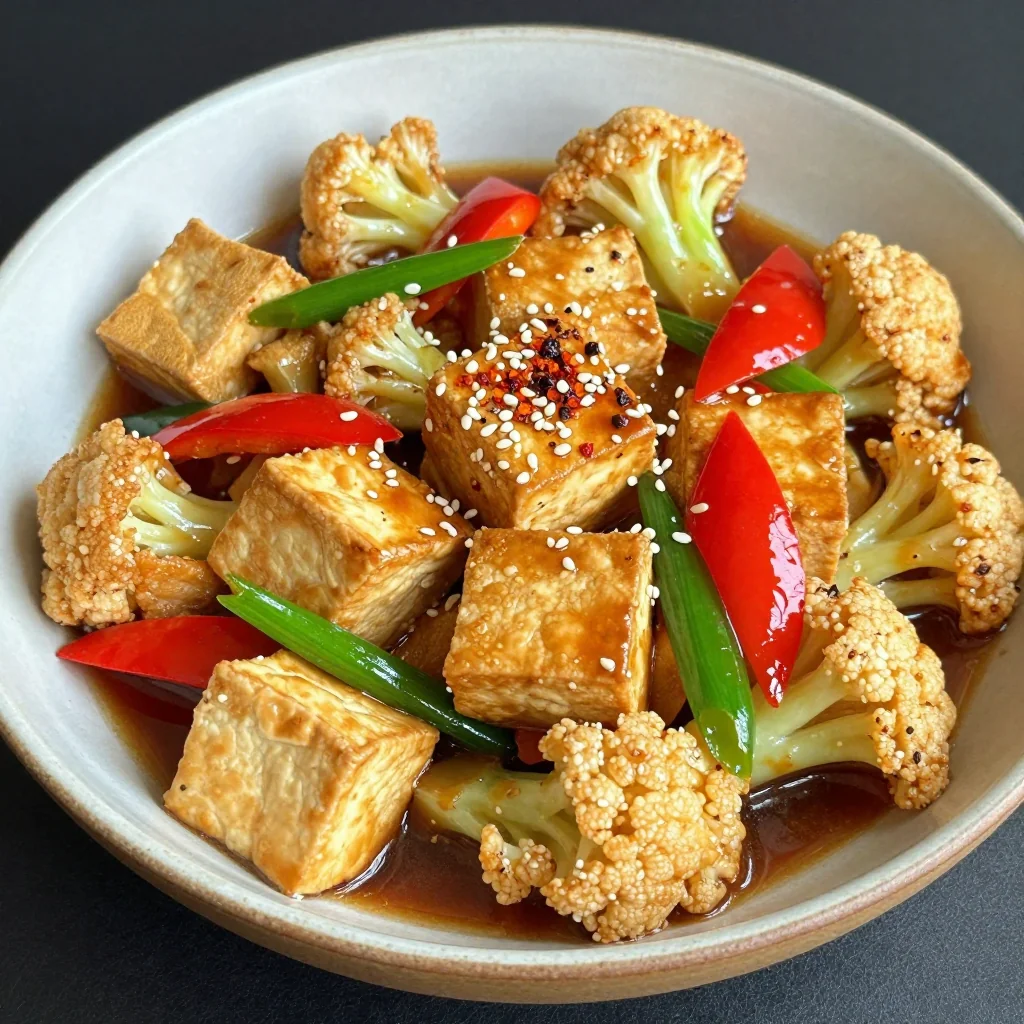
Love this? Pin it for later! 📌
I still remember the first time I created this Budget Friendly Tofu and Cauliflower Stir Fry. It was one of those weeks where the grocery budget was stretched thin, the fridge looked like a barren wasteland, and I had exactly $10 to feed my family of four for dinner. Sound familiar? That Tuesday evening, as I stared at a lonely block of tofu and half a head of cauliflower, I decided to turn necessity into something extraordinary.
What happened next was pure magic. The sizzle of the pan, the aromatic dance of garlic and ginger, the way the cauliflower florets caramelized into golden perfection – it was like watching a budget-friendly symphony unfold in my kitchen. My kids, who typically turn up their noses at anything green or "plant-based," actually asked for seconds. My partner, usually skeptical about meatless meals, declared it restaurant-worthy. But the real triumph? This humble stir fry has become our family's most-requested weeknight dinner, proving that delicious doesn't have to be expensive.
Now, whenever I'm teaching cooking classes or sharing recipes with friends, I always start with this gem. It's perfect for college students navigating their first kitchen, busy parents juggling work and homework help, or anyone who believes that eating well on a budget is impossible. This recipe is my love letter to mindful cooking – where every ingredient has purpose, every technique maximizes flavor, and every bite reminds us that the best meals aren't necessarily the most expensive ones.
Why This Recipe Works
- One-Pan Wonder: Everything cooks in a single wok or large skillet, meaning minimal cleanup and maximum flavor development as ingredients mingle together.
- Protein Powerhouse: Tofu provides complete plant-based protein at a fraction of the cost of meat, while cauliflower adds satisfying bulk and nutrients.
- Pantry-Friendly: Uses common ingredients you probably already have – soy sauce, garlic, ginger, and basic vegetables that stay fresh for weeks.
- Lightning-Fast: From prep to plate in under 30 minutes, making it perfect for those "what's for dinner?" emergencies.
- Meal-Prep Champion: Tastes even better the next day, making it ideal for batch cooking and lunch prep.
- Customizable Canvas: Easily adapt to use whatever vegetables are on sale or in your crisper drawer.
- Budget Hero: Feeds 4 people for under $8 total, proving that eating well doesn't require a trust fund.
- Beginner-Friendly: No complicated techniques or special equipment needed – just basic knife skills and a hot pan.
Ingredients You'll Need
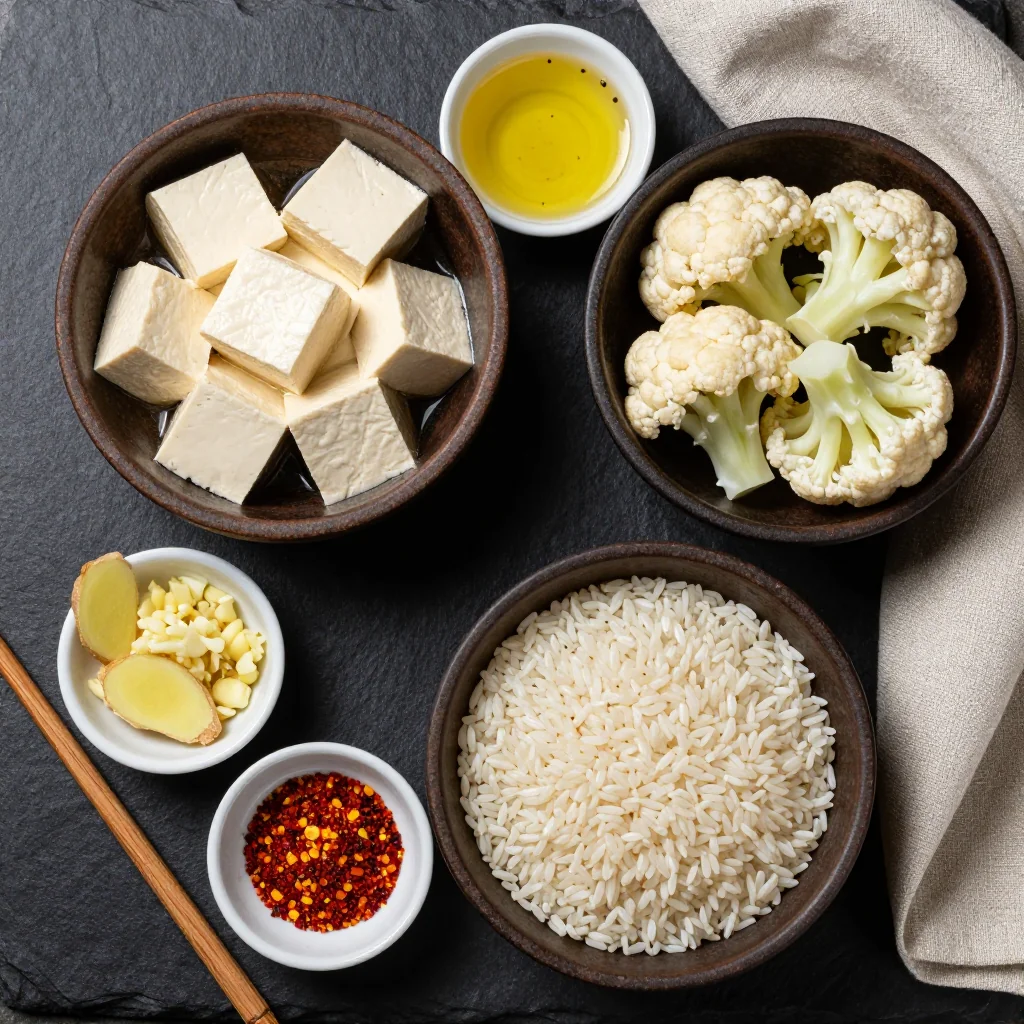
Let's talk ingredients – because understanding what you're working with transforms good cooking into great cooking. This recipe celebrates humble ingredients and elevates them through technique and timing.
Firm Tofu is the star protein here, and choosing the right one matters. Look for water-packed tofu in the refrigerated section, not the shelf-stable silken variety. Firm or extra-firm holds its shape during stir-frying, giving you those crave-worthy golden edges. Don't be tempted by pre-cubed tofu – it's often dried out and costs twice as much. A standard 14-ounce block runs about $1.50 and feeds four generously. Pro tip: Check the expiration date and grab a few blocks when they're on sale – they freeze beautifully for up to three months.
Cauliflower brings the bulk and nutrition to this dish. One medium head (about 2 pounds) costs around $2 and provides impressive volume. When selecting, look for compact, creamy-white florets without brown spots. The leaves should be crisp and green, not wilted. If whole heads seem intimidating, pre-cut florets work too – though they cost about 30% more. The beauty of cauliflower lies in its versatility: it absorbs flavors like a sponge while maintaining satisfying texture.
Soy Sauce forms the umami backbone of our sauce. Regular soy sauce works perfectly here – save your fancy tamari or coconut aminos for dishes where their subtle differences shine. A 15-ounce bottle costs under $3 and lasts for months. If you're watching sodium, low-sodium soy sauce works, but you'll want to add a pinch of salt elsewhere to compensate for the flavor difference.
Aromatics – garlic, ginger, and green onions – create the flavor foundation that makes this dish sing. Fresh garlic costs pennies per clove and delivers far superior flavor to pre-minced jars. Fresh ginger keeps for weeks in the fridge and freezes beautifully for longer storage. Green onions provide both cooking aromatics and fresh garnish, making them the economical choice over regular onions in this application.
Cornstarch might seem like an unusual addition, but it's the secret to crispy tofu without deep-frying. This $1 box lasts for months and transforms how you cook tofu forever. It creates a delicate coating that turns golden and slightly crisp, giving you restaurant-quality texture at home.
How to Make Budget Friendly Tofu and Cauliflower Stir Fry
Press and Prep the Tofu
Remove tofu from packaging and drain. Wrap in clean kitchen towels or paper towels, place on a plate, and top with a heavy cast iron pan or books. Press for 15-20 minutes while you prep vegetables. This crucial step removes excess moisture, allowing the tofu to crisp rather than steam. Don't skip it – properly pressed tofu is the difference between soggy and spectacular.
Create the Perfect Cauliflower Bite
While tofu presses, break cauliflower into uniform 1-inch florets. Keep some stem attached – it's tender, nutritious, and reduces waste. Rinse and thoroughly dry the florets; moisture is the enemy of caramelization. If your cauliflower has leaves, save them – they're delicious sautéed. Cut larger florets through the stem so each piece has a flat side; this increases surface area for better browning.
Craft the Ultimate Stir-Fry Sauce
In a small bowl, whisk together 3 tablespoons soy sauce, 2 tablespoons water, 1 tablespoon rice vinegar (or white vinegar), 1 teaspoon sugar, and 1 teaspoon cornstarch. This creates a balanced sauce that coats without being gloppy. The cornstarch acts as a thickener, ensuring the sauce clings to every nook and cranny of your vegetables and tofu.
Cube and Coat the Tofu
Unwrap pressed tofu and cut into ¾-inch cubes. In a bowl, gently toss tofu with 1 tablespoon cornstarch, ¼ teaspoon salt, and ¼ teaspoon pepper until evenly coated. The cornstarch creates a protective layer that turns golden and slightly crisp during cooking. Handle gently – you want cubes, not crumbles.
Heat Your Wok Properly
Place your wok or largest skillet over high heat for 2-3 minutes until smoking. This step, called "hot wok, cold oil," prevents sticking and ensures proper searing. Add 2 tablespoons neutral oil (peanut, canola, or vegetable) and swirl to coat. The oil should shimmer immediately but not smoke excessively.
Sear Tofu to Golden Perfection
Add tofu in a single layer, working in batches if necessary. Resist the urge to stir immediately – let it develop a golden crust, about 2-3 minutes per side. Turn gently with a spatula until most sides are golden. Remove to a plate. This initial sear creates texture and prevents the tofu from breaking down in the final stir-fry.
Stir-Fry Aromatics and Cauliflower
In the same wok, add another tablespoon of oil if needed. Add minced garlic and ginger, stirring for 30 seconds until fragrant but not browned. Add cauliflower florets, spreading in a single layer. Let them sit undisturbed for 2 minutes to develop caramelization, then stir-fry for another 3-4 minutes until crisp-tender and golden in spots.
Bring It All Together
Return tofu to the wok with the cauliflower. Give your sauce a quick stir (cornstarch settles) and pour it over everything. Toss continuously for 1-2 minutes until the sauce thickens and coats every piece. Remove from heat, add sliced green onions, and serve immediately over rice or noodles. The whole process should take under 10 minutes once you start cooking.
Expert Tips
Temperature is Everything
A properly heated wok should be smoking before adding oil. If your wok isn't hot enough, you'll steam rather than sear your ingredients. Test by adding a drop of water – it should evaporate instantly.
Don't Crowd the Pan
Overloading your wok drops the temperature, resulting in steamed vegetables instead of caramelized ones. Cook in batches if necessary – your patience will be rewarded with restaurant-quality results.
Prep Your Sauce First
Stir-fries move quickly once you start cooking. Having your sauce mixed and ready prevents overcooking while you fumble with measurements. Keep it near the stove for easy access.
Keep Things Moving
The "stir" in stir-fry is crucial. Use a metal spatula to continuously move ingredients, ensuring even cooking and preventing burning. Think of it as a dance – constant motion creates magic.
Make-Ahead Magic
Press tofu and chop vegetables up to 3 days ahead. Store separately in airtight containers. The stir-fry comes together in minutes when you're ready to cook, making weeknight dinners effortless.
Color Means Flavor
Don't be afraid of golden-brown spots on your vegetables – that's caramelization, where the magic happens. Those browned bits pack incredible flavor and create the complex taste that makes restaurant stir-fries so good.
Variations to Try
Spicy Sichuan Style
Add 1 tablespoon Sichuan chili oil and ½ teaspoon crushed red pepper flakes to the sauce. Include diced bell peppers and swap rice vinegar for black vinegar for authentic flavor.
Thai-Inspired Version
Replace rice vinegar with lime juice, add 1 tablespoon peanut butter to the sauce, and include Thai basil. Serve with crushed peanuts and lime wedges.
Korean Gochujang Twist
Add 1 tablespoon gochujang to the sauce, include sliced mushrooms, and finish with sesame seeds. The fermented chili paste adds incredible depth and gentle heat.
Mediterranean Fusion
Swap soy sauce for tamari, add oregano and sun-dried tomatoes, finish with fresh parsley and a squeeze of lemon. Unexpected but delicious!
Five-Spice Holiday
Add ½ teaspoon Chinese five-spice powder to the sauce, include sliced carrots and snap peas. The warm spices make this perfect for cooler months.
Green Goddess
Add broccoli florets, snow peas, and spinach. Finish with fresh herbs like cilantro and mint for a green vegetable powerhouse that's incredibly nutritious.
Storage Tips
Refrigerator Storage
Store cooled stir-fry in airtight containers for up to 4 days. The flavors actually meld and improve after the first day. Keep rice or noodles separate to prevent them from becoming soggy. When reheating, add a splash of water or broth to loosen the sauce and microwave covered, stirring halfway through.
Freezer Instructions
This stir-fry freezes beautifully for up to 3 months. Let it cool completely, then portion into freezer-safe containers or bags. Thaw overnight in the refrigerator and reheat in a skillet over medium heat, adding a splash of water or broth to refresh the sauce. The texture remains excellent, though the cauliflower may be slightly softer.
Meal Prep Magic
Double or triple the recipe and portion into individual containers for grab-and-go lunches. The stir-fry reheats well in the microwave, making it perfect for office lunches. Pack rice separately in small containers that can be microwaved together. This strategy saves both money and time during busy weekdays.
Frequently Asked Questions
Absolutely! Frozen cauliflower works well in this recipe, though it will have a softer texture than fresh. Thaw completely and pat very dry before cooking. You may need to reduce cooking time by 1-2 minutes since frozen cauliflower is partially cooked during processing. The key is removing excess moisture to prevent steaming instead of stir-frying.
No wok? No problem! Use your largest skillet – the wider surface area actually works great for stir-frying. A 12-inch skillet works perfectly for this recipe. The key is ensuring it's properly heated and not overcrowded. Cast iron works wonderfully for achieving that coveted "wok hei" flavor, while stainless steel provides excellent browning.
The secret to non-stick tofu is threefold: press it properly to remove moisture, coat it with cornstarch, and ensure your pan is hot before adding oil. Use a metal spatula and resist moving the tofu too early – let it develop a crust before attempting to turn. If it sticks, let it cook another minute; it usually releases when properly seared.
Yes! Simply substitute tamari for soy sauce in equal amounts. Coconut aminos also work but will result in a slightly sweeter, less salty dish. Check that your cornstarch is certified gluten-free (most are, but cross-contamination can occur). Serve over rice or rice noodles for a completely gluten-free meal.
Jasmine rice is traditional and provides beautiful fragrance, but any rice works wonderfully. Brown rice adds nuttiness and extra nutrition. For weeknight ease, use frozen rice that microwaves in 3 minutes. Jasmine or basmati rice cooks in about 15 minutes on the stovetop – perfect timing if you start it when you begin prep.
For oil-free cooking, use a non-stick pan and vegetable broth instead of oil. Add 2-3 tablespoons of broth when the pan is hot, then proceed with the recipe, adding more broth as needed to prevent sticking. The texture will be different – less crispy but still delicious. You can also air-fry the tofu at 400°F for 15 minutes for oil-free crispiness.
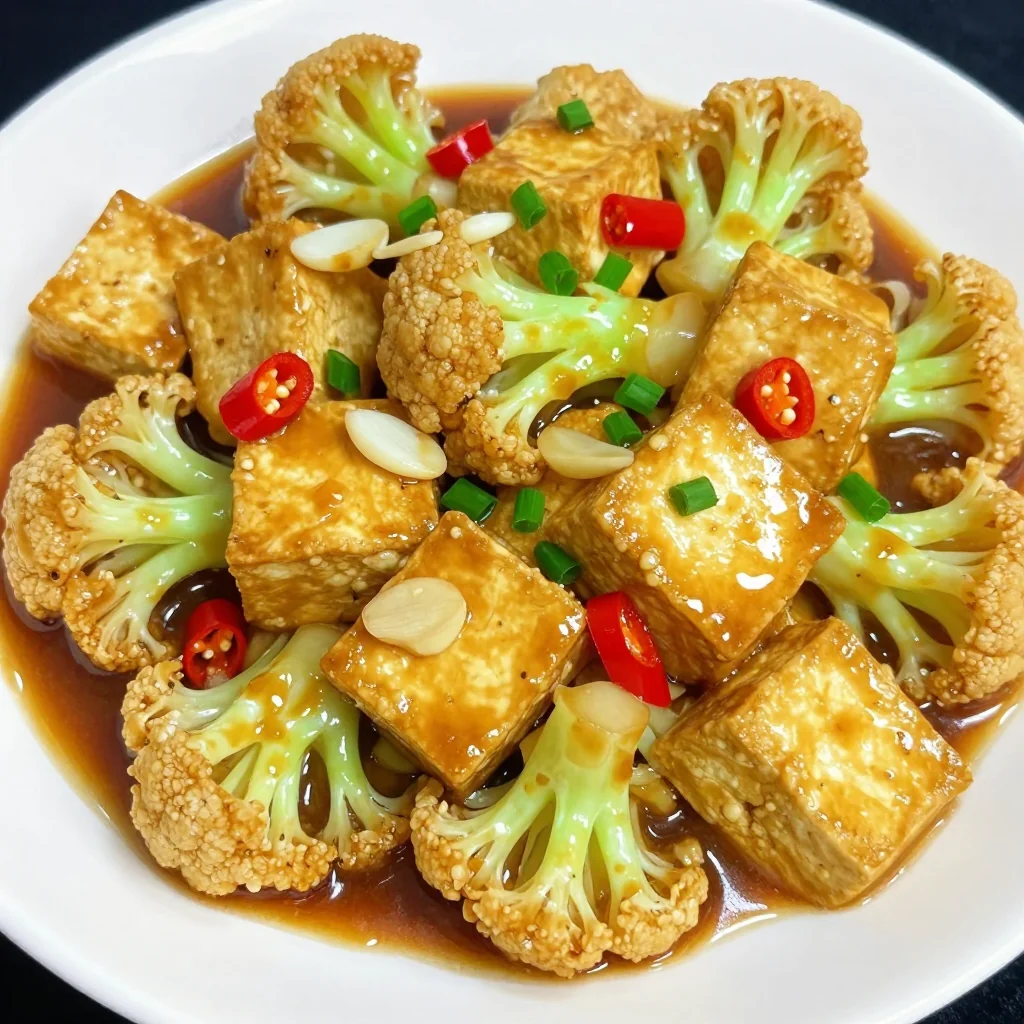
Budget Friendly Tofu and Cauliflower Stir Fry
Ingredients
Instructions
- Press tofu: Wrap tofu in towels, place heavy object on top, press 15-20 minutes
- Make sauce: Whisk soy sauce, water, vinegar, sugar, and 1 teaspoon cornstarch
- Prep tofu: Cube tofu, toss with 1 tablespoon cornstarch, salt, and pepper
- Heat wok: Heat wok over high heat until smoking, add 2 tablespoons oil
- Cook tofu: Sear tofu until golden on most sides, remove to plate
- Stir-fry vegetables: Add remaining oil, garlic, ginger, then cauliflower, cook 4-5 minutes
- Combine: Return tofu to wok, add sauce, toss until thickened
- Finish: Add green onions, serve immediately over rice
Recipe Notes
For extra crispy tofu, you can air-fry the cornstarch-coated cubes at 400°F for 10-12 minutes before adding to the stir-fry. This recipe doubles beautifully for meal prep – leftovers keep 4 days refrigerated and reheat perfectly.