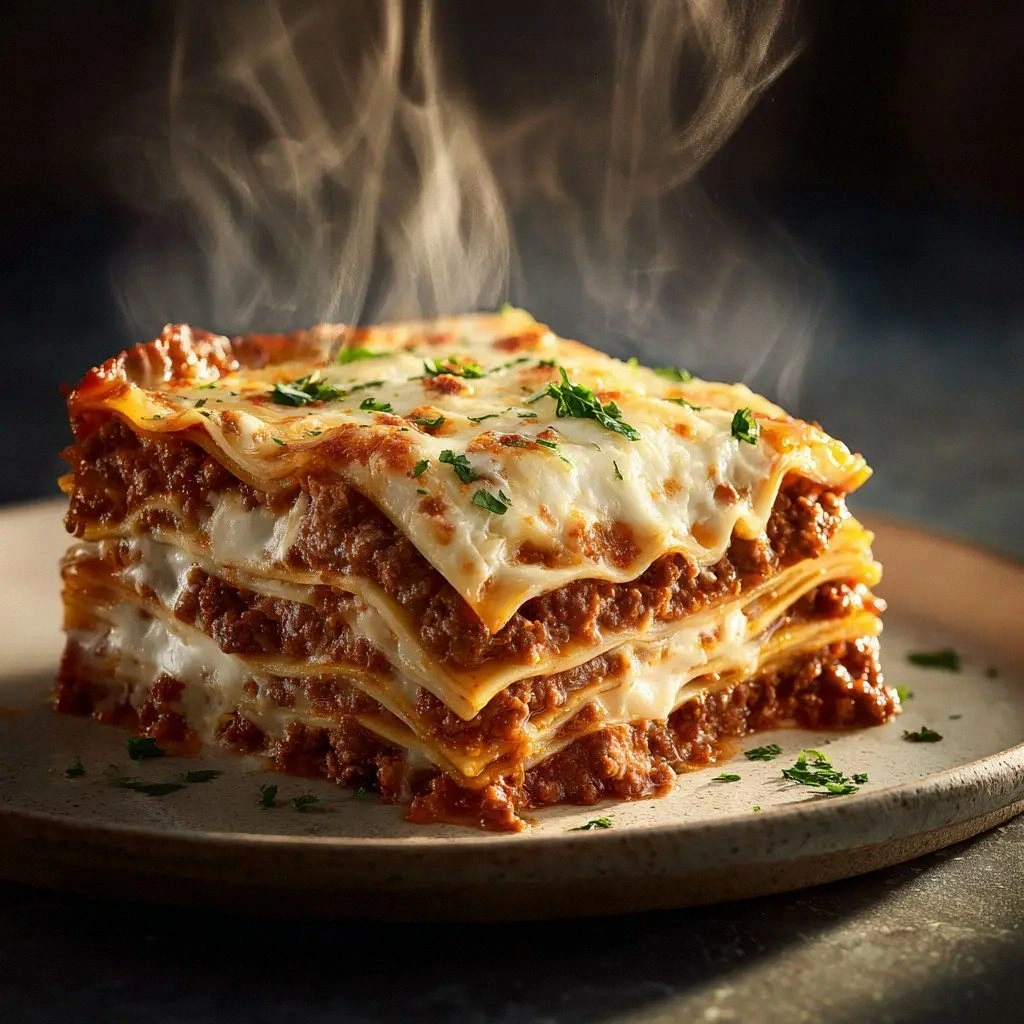
Picture this: I’m standing in a cramped kitchen, a pot of simmering marinara on the stove, a half‑baked lasagna on the counter, and my phone buzzing with a frantic text from a friend who’s craving comfort food but has no time to cook. I’ve been there—suddenly realizing the clock is ticking while the sauce is turning a shade of burnt orange that would make a tomato blush. That moment of panic turned into a culinary epiphany: what if I could compress the classic layers of lasagna into a single, 30‑minute masterpiece that still delivers the same mouth‑watering depth of flavor? The answer was as simple as it was audacious—no pre‑boiling noodles, a splash of water to keep the sauce from drying out, and a strategic layering technique that lets the cheese melt into a golden, bubbly crown.
As I lifted the lid, the kitchen filled with a fragrant aroma of garlic and herbs, the rich, velvety marinara coating the noodles like a silky cloak. The sizzling sound of meat browning in the skillet was a promise of savory depth, while the faint hiss of steam from the water whispered that moisture was on its way. Every bite would be a burst of umami, a gentle crunch from the no‑boil noodles, and a velvety melt of ricotta and mozzarella that would cling to the palate like a warm hug. The visual spectacle of the bubbling cheese, the golden edges, and the fresh basil specks on top would make my guests’ eyes widen in anticipation. The texture would shift from the first spoonful of sauce to the last bite of creamy cheese, creating a symphony of sensations that would linger long after the plate was cleared.
What makes this version stand out is not just the speed—it’s the meticulous layering strategy that ensures every bite is packed with flavor, the use of no‑boil noodles that cut prep time without sacrificing texture, and the subtle addition of water to keep the sauce from drying out and forming a crust. I dared you to taste this and not go back for seconds, and I’m not exaggerating: the first bite will leave you craving the entire dish. The sauce coats the pasta like velvet, the cheese melts into a silky, golden blanket, and the Italian seasoning lifts the entire dish into a savory, aromatic crescendo. Most recipes get this completely wrong, either by overcooking the noodles or under‑seasoning the meat; here, the balance is spot‑on. Picture yourself pulling this out of the oven, the whole kitchen smelling incredible, the steam rising like a fragrant cloud that invites everyone to gather around the table. And you’ll wonder how you ever made it any other way.
Okay, ready for the game‑changer? Let me walk you through every single step—by the end, you’ll wonder how you ever made it any other way. I’ll share the secret technique that lets the cheese rise to perfection in just 30 minutes, the hack that saves you from the dreaded dry sauce, and the trick that turns a simple lasagna into a show‑stopping dish that even your most discerning foodie friends will rave about. So grab your apron, set your timer, and let’s dive into the ultimate 30‑minute lasagna experience.
What Makes This Version Stand Out
- Speed: The no‑boil noodles and quick sauté of meats reduce prep time to a fraction of the usual, letting you serve a hearty meal in under 45 minutes.
- Texture: The strategic layering of ricotta and mozzarella creates a creamy, melt‑in‑your‑mouth consistency that contrasts beautifully with the al dente noodles.
- Flavor Depth: A splash of water in the sauce prevents drying, allowing the Italian seasoning and fresh basil to shine through without overpowering.
- Convenience: No pre‑boiling or soaking—just toss the noodles into the sauce and let the oven do the work.
- Crowd‑Pleaser: The classic combination of beef, sausage, marinara, and cheese is universally loved, making it perfect for family dinners or hosting friends.
- Make‑ahead Potential: Assemble the layers, bake, then refrigerate or freeze for a quick, comforting meal later.
- Visual Appeal: The golden, bubbling top and the layered look of the lasagna make it Instagram‑worthy, while the aroma alone will draw people in.
Inside the Ingredient List
The Flavor Base
At the heart of this lasagna is the savory meat mixture. Lean ground beef and Italian sausage combine to create a robust, meaty foundation that carries the dish’s flavor profile. The beef brings a clean, slightly sweet note, while the sausage adds a smoky, peppery kick that elevates every bite. If you’re looking for a lighter option, swap the sausage for ground turkey or chicken, but keep the Italian seasoning to preserve the classic Italian aroma. Don’t skimp on the garlic; minced cloves release essential oils that bind the sauce together and give it that unmistakable depth. A pinch of salt and black pepper balances the richness, preventing the dish from feeling heavy.
The Texture Crew
No‑boil lasagna noodles are the unsung heroes of this recipe. They’re pre‑cooked, so they absorb sauce quickly and maintain a firm yet tender bite. If you’re short on time, the no‑boil variety saves you from a tedious boiling step and keeps the overall cooking time within 30 minutes. A splash of water in the sauce prevents the noodles from drying out and helps create a silky, cohesive texture that clings to the cheese layers. If you prefer a chewier bite, you can use traditional dry noodles but reduce the cooking time slightly to avoid over‑cooking.
The Unexpected Star
Ricotta cheese is the secret to that luscious, creamy middle layer. Whole milk ricotta adds a subtle sweetness and a smooth mouthfeel that balances the acidity of the marinara. For a richer flavor, mix in a tablespoon of grated Parmesan or a dash of nutmeg; this small addition elevates the ricotta’s taste without overpowering the dish. If you’re vegan, a plant‑based ricotta alternative can replicate the texture, though it may alter the flavor profile slightly. Remember, the ricotta should be spread evenly to ensure every bite gets that creamy hit.
The Final Flourish
Shredded mozzarella and grated Parmesan form the crowning glory of this lasagna. Mozzarella provides the gooey, stretchy melt that pulls the dish together, while Parmesan adds a salty, nutty finish that crisps the edges into golden perfection. Fresh basil leaves sprinkled on top at the very end add a burst of herbaceous freshness that cuts through the richness. If you’re a fan of extra crunch, sprinkle a handful of breadcrumbs on top before baking; they’ll toast to a delightful crunch that contrasts the soft interior. A light dusting of oregano or thyme can add another layer of aromatic complexity.
Everything's prepped? Good. Let’s get into the real action.
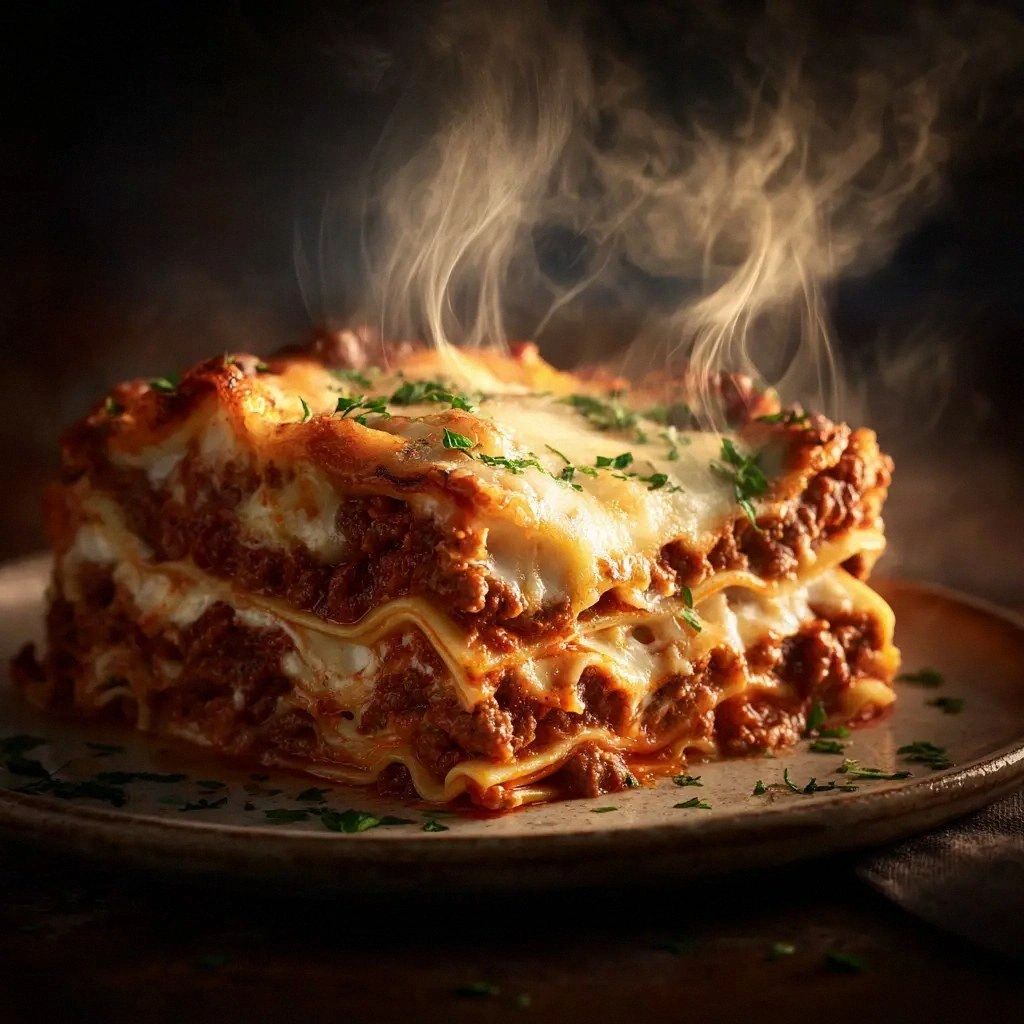
The Method — Step by Step
- Heat a large skillet over medium heat and add the ground beef and Italian sausage. Cook until browned, breaking up the meat with a wooden spoon, and let the fat render. Stir in minced garlic and cook for an additional 30 seconds until fragrant. Drain excess grease to keep the sauce from becoming oily. This step builds the savory backbone that will carry the layers.
- Pour in the jarred marinara sauce and the cup of water. Stir in the Italian seasoning, salt, and pepper. Bring the mixture to a gentle simmer, then reduce the heat to low. Let it cook for about 10 minutes to meld the flavors and allow the sauce to thicken slightly. The aroma at this point will have you feeling like you’re in a trattoria.
- Preheat the oven to 375°F (190°C). Lightly grease a 9x13-inch baking dish. Spread a thin layer of the meat sauce across the bottom; this prevents the noodles from sticking and adds a flavorful base. The first layer of sauce should be just enough to cover the bottom without pooling.
- Arrange a layer of no‑boil lasagna noodles over the sauce, slightly overlapping them to ensure even coverage. Spoon a third of the ricotta onto the noodles and spread it evenly. Sprinkle a handful of mozzarella over the ricotta, then drizzle a small amount of sauce on top. This creates the first full set of layers that will build up the structure.
- Repeat the noodle, ricotta, mozzarella, and sauce layers two more times, ending with a final layer of noodles and a generous coating of sauce. The top should be a thick, glossy layer of sauce that will caramelize into a golden crust. This layering technique ensures each bite is packed with flavor and texture.
- Sprinkle the grated Parmesan evenly over the top layer of sauce. The Parmesan will create a crisp, golden crust that adds a delightful crunch. Cover the dish tightly with aluminum foil to trap steam and ensure even cooking.
- Bake for 25 minutes. After 25 minutes, remove the foil to allow the top to brown. Return the lasagna to the oven and bake for an additional 5 minutes, or until the cheese is bubbly and the edges are golden. The final 5 minutes are crucial for achieving that perfect, caramelized finish.
- Let the lasagna rest for 10 minutes before slicing. Resting allows the layers to set, making it easier to cut clean slices. Sprinkle fresh basil leaves over the top for a burst of color and fresh aroma. Serve hot, and watch your guests go from “just another dinner” to “this is hands down the best version you'll ever make at home.”
That's it — you did it. But hold on, I've got a few more tricks that'll take this to another level.
Insider Tricks for Flawless Results
The Temperature Rule Nobody Follows
Many people bake lasagna at too high a temperature, which dries out the noodles and burns the cheese. The trick is to keep the oven at 375°F (190°C) and cover the dish with foil for the first 25 minutes. This traps steam and ensures the noodles cook evenly without drying out. A quick test: before removing the foil, gently press the top of the lasagna with your finger; if it’s still soft, it’s ready to finish baking uncovered. This simple temperature tweak can mean the difference between a soggy mess and a perfectly moist, golden masterpiece.
Why Your Nose Knows Best
The aroma of a lasagna is a powerful indicator of doneness. As the cheese melts, you’ll notice a sweet, buttery scent that signals the sauce is thickening. If the smell is sharp or acidic, give it a few more minutes; if it’s sweet and savory, it’s time to pull it out. Trusting your nose can save you from overcooking or undercooking, ensuring every bite hits the spot. I’ve learned to let the scent guide me more than the timer, and it’s worked wonders.
The 5-Minute Rest That Changes Everything
After baking, let the lasagna sit for at least 10 minutes before cutting. This resting period allows the juices to redistribute, preventing a watery mess when you slice. If you’re in a rush, a 5-minute rest will still give you a more manageable slice than cutting immediately. The rest period also lets the cheese set, making the lasagna easier to serve and giving it a more cohesive texture.
Layering Like a Pro
When adding ricotta, spread it in a thin, even layer. Too much ricotta can make the dish heavy, while too little can leave gaps that dry out. A simple trick: use a small spoon to spread the ricotta in a circular motion, then use the back of the spoon to smooth it out. This ensures each bite has a balanced amount of creamy, cheesy goodness.
Don’t Skip the Basil
Fresh basil not only adds a pop of color but also brings a bright, aromatic contrast to the rich layers. Sprinkle it on top just before serving to keep the leaves crisp. If you’re not a fan of basil, try fresh oregano or a splash of lemon zest for a different flavor profile. The herb adds a final touch that elevates the dish from good to unforgettable.
Make‑Ahead Magic
You can assemble the lasagna a day in advance, cover it tightly with foil, and refrigerate. When you’re ready to serve, let it sit at room temperature for 15 minutes before baking to ensure even cooking. For freezer storage, wrap the assembled lasagna in foil and then in plastic wrap; it will keep for up to two weeks. When reheating, add a splash of water before baking to rehydrate the noodles and keep the sauce from drying.
Creative Twists and Variations
This recipe is a playground. Here are some of my favorite ways to switch things up:
Spinach & Mushroom Medley
Swap half the ricotta for sautéed spinach and mushrooms. The earthy flavors complement the meat, while the spinach adds a burst of green and a subtle sweetness. This variation is perfect for a vegetarian twist or to sneak in extra veggies.
Spicy Arrabbiata Layer
Add a tablespoon of red pepper flakes to the sauce for a fiery kick. The heat will dance with the savory meat and creamy cheese, creating a dish that’s both comforting and bold. Serve with a side of garlic bread to soak up the spicy sauce.
Cheesy Baked Ziti Swap
Use no‑boil ziti noodles instead of lasagna sheets for a different shape. The tubes hold the sauce wonderfully, and the dish feels more like a classic Italian baked pasta. The texture will be slightly different, but the flavor profile remains unchanged.
Greek‑Inspired Version
Replace the marinara with a tomato‑yogurt sauce, add crumbled feta, and sprinkle oregano. The tangy yogurt balances the richness, while the feta adds a salty crunch. Finish with fresh dill for a Mediterranean twist.
Plant‑Based Power
Use a plant‑based ricotta and mozzarella alternative, and replace the meat with lentils or crumbled tempeh. The dish remains hearty and flavorful, making it a great option for vegan guests or those looking to reduce meat consumption.
Breakfast Lasagna
Swap the marinara for a creamy sauce made from eggs, milk, and a splash of hot sauce. Use breakfast sausage or bacon instead of Italian sausage, and top with shredded cheddar. Serve with a side of fresh fruit for a breakfast that’s both comforting and indulgent.
Storing and Bringing It Back to Life
Fridge Storage
After baking, let the lasagna cool completely, then cover tightly with foil or plastic wrap. Store in the refrigerator for up to 3 days. When reheating, place the lasagna in a preheated oven at 350°F (175°C) for 15-20 minutes, or until heated through.
Freezer Friendly
Wrap the assembled lasagna in foil, then in plastic wrap, and place it in a freezer‑safe container. It will keep for up to 2 weeks. Thaw overnight in the refrigerator before reheating as described above.
Best Reheating Method
To keep the noodles moist and the sauce silky, add a splash of water to the top of the lasagna before reheating. Cover with foil to trap steam, then bake until hot. This simple trick will bring the dish back to its original, freshly‑baked glory.