Introduction
Picture this: a rainy afternoon, the kitchen lights flickering, and you’re standing in front of an empty fridge that seems to have lost its sense of purpose. You’re craving something sweet, but the thought of a full-blown cheesecake makes you feel like you’re about to commit a culinary crime. That’s when I stumbled upon a recipe that would change my dessert game forever – the 2‑Ingredient Yogurt Cheesecake. I swear, it was a revelation, a lightbulb moment that turned a plain kitchen into a playground of flavor.
Right from the first whisk, the kitchen was alive with aromas that made my nose do a happy dance. The tangy Greek yogurt cut through the air, mingling with the warm, almost buttery scent of eggs as they met the batter. The faint citrus of lemon zest floated like a gentle breeze, promising a bright counterpoint to the creamy base. My ears caught the subtle hiss of the oven preheating, the soft clink of the mixing bowl, and the rhythmic patter of my heart beating in anticipation.
What makes this version stand out? It’s not just the simplicity – though that alone is a game‑changer – but the depth of flavor and texture that comes from the perfect marriage of ingredients. Think of a dessert that feels like a cloud on your tongue, with a subtle tang that lingers, and a finish that’s sweet but never cloying. That’s the promise of this cheesecake, and I’m about to walk you through every single step so you’ll wonder how you ever made it any other way.
Hold onto your whisk; the next few minutes will feel like a secret handshake between you and a dessert that’s as indulgent as it is effortless. Let me walk you through every single step – by the end, you’ll wonder how you ever made it any other way.
What Makes This Version Stand Out
- Flavor: The tang of Greek yogurt pairs with the subtle sweetness of honey, creating a balanced profile that’s both comforting and sophisticated.
- Texture: Eggs provide structure without heaviness, resulting in a silky, airy crumb that melts in your mouth.
- Simplicity: Two core ingredients mean fewer steps, fewer bowls, and less cleanup – perfect for a busy weeknight.
- Uniqueness: No cream cheese, no graham cracker crust – just a pure, minimalist cheesecake that lets the yogurt shine.
- Crowd Reaction: Friends who’ve tried it say it’s “the best version you’ll ever make at home” and that it’s “so light it feels like dessert for breakfast.”
- Ingredient Quality: Using full‑fat Greek yogurt elevates the richness, while fresh eggs add a natural sheen and depth.
- Cooking Method: A single oven bake with a gentle steam trick ensures a moist center and a golden top.
- Make‑Ahead Potential: It can be chilled for up to 3 days, making it a stress‑free dessert for parties.
Alright, let’s break down exactly what goes into this masterpiece…
Inside the Ingredient List
The Flavor Base
At the heart of this cheesecake is 1.5 cups of full‑fat Greek yogurt. Its creamy, tangy profile is the foundation that gives the dessert its signature lightness. Think of it as the canvas that holds every other flavor. Skipping the yogurt would turn the entire structure into a dense, unbalanced mess. If you’re looking for a dairy‑free version, try a thick coconut yogurt, but be prepared for a coconut undertone.
The Texture Crew
Next comes 3 large eggs, the unsung heroes that bind everything together. Each egg adds a subtle lift, giving the cheesecake a fluffy, airy crumb that doesn’t feel heavy. If you’re experimenting with a vegan twist, replace the eggs with a flaxseed mixture (1 tbsp ground flaxseed + 3 tbsp water per egg) to maintain structure.
The Unexpected Star
Here we introduce 2 tablespoons of honey or maple syrup, which injects natural sweetness without overpowering the yogurt’s tang. The choice between honey and maple is more than a flavor decision; honey brings a floral nuance, while maple offers a deeper, caramel-like undertone. If you’re aiming for a lower glycemic index, opt for a light agave syrup.
The Final Flourish
Finally, 1 teaspoon of lemon zest gives the cheesecake a bright, citrusy lift that cuts through the richness. It’s a small addition, but it’s like a whisper of sunshine on a cloudy day. If you’re not a fan of citrus, a pinch of orange zest can offer a sweeter counterpoint.
Everything’s prepped? Good. Let’s get into the real action…
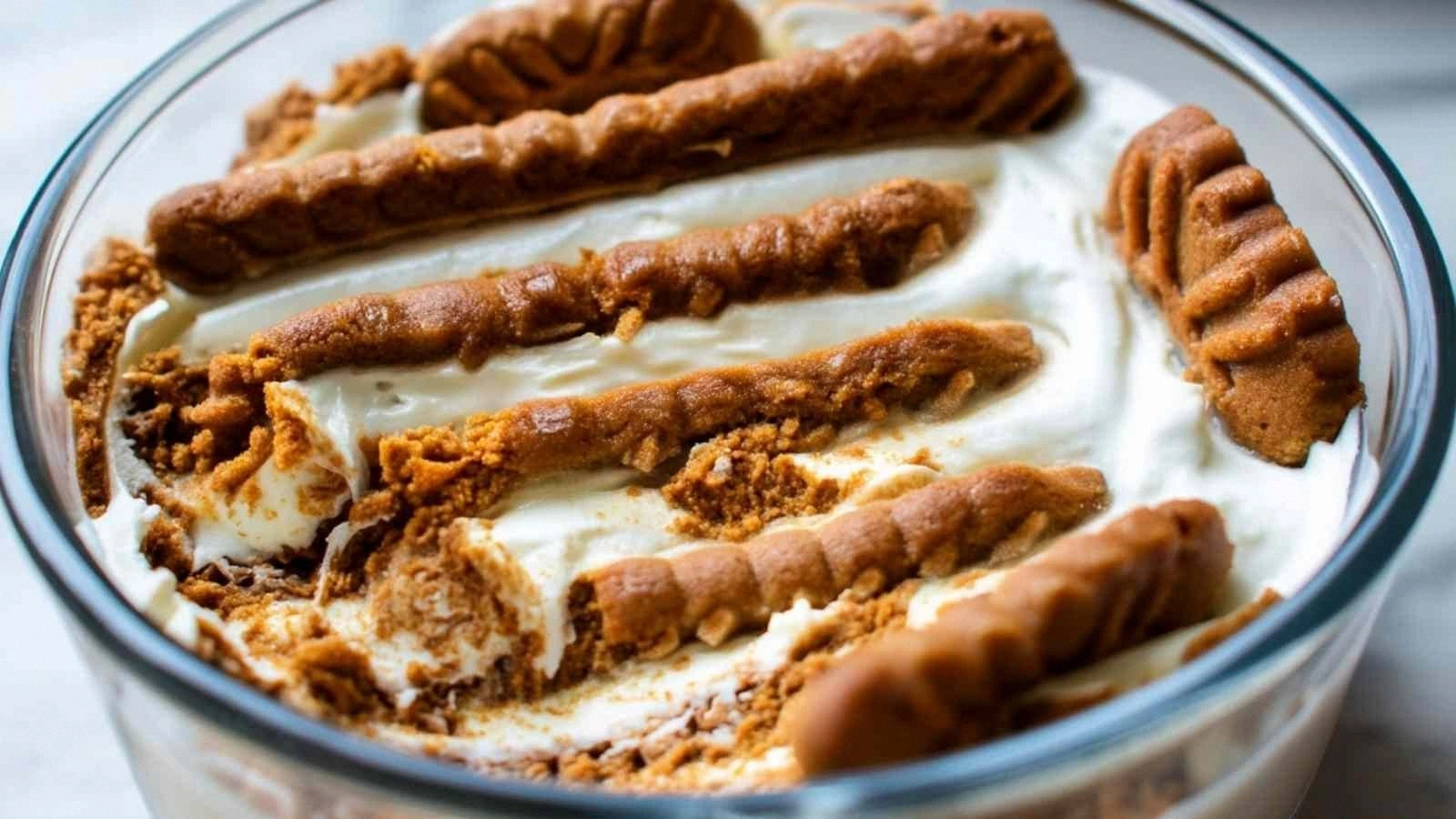
The Method — Step by Step
- Preheat your oven to 325°F (165°C). Line a 9‑inch springform pan with parchment paper, making sure it extends up the sides. This prevents the cheesecake from sticking and gives it a clean release. I dare you to taste this and not go back for seconds once it’s out of the oven.
- In a large mixing bowl, combine the Greek yogurt and honey (or maple syrup). Whisk until the mixture is smooth and free of lumps. The texture should be silky, like a thick custard. If you see any graininess, it’s a sign you need to sift the yogurt or add a splash of milk to thin it out.
- Beat the eggs in a separate bowl until they’re light and frothy. Then, slowly pour the eggs into the yogurt mixture, whisking continuously. This gradual incorporation prevents the eggs from curdling, ensuring a uniform batter. The batter should be thick but pourable.
- Add the lemon zest to the batter, folding it gently with a spatula. The zest infuses the cheesecake with a bright burst of citrus that’s almost invisible but incredibly impactful. If you’re feeling adventurous, add a pinch of sea salt to balance the sweetness.
- Pour the batter into the prepared springform pan. Tap the pan gently on the counter to release any air bubbles. The batter should spread evenly, forming a level surface. If it’s too thick, add a tablespoon of milk or water to thin it out slightly.
- Place the pan in the preheated oven and bake for 25 minutes. After the first 15 minutes, open the oven and place a shallow pan of water in the bottom of the oven to create steam. This trick keeps the cheesecake moist and prevents a cracked top.
- After 25 minutes, remove the cheesecake from the oven and let it cool in the pan on a wire rack for 15 minutes. The edges will start pulling away from the parchment, indicating that the center is set. This is the moment of truth – don’t walk away from the stove here.
- Once cooled, remove the springform pan and refrigerate the cheesecake for at least 4 hours, preferably overnight. The chill allows the flavors to meld and the texture to set firmly, creating that classic cheesecake snap.
- Just before serving, top the cheesecake with fresh berries and a drizzle of honey or maple syrup. The berries add a burst of juiciness and a pop of color, while the extra drizzle gives a glossy finish. This final touch is pure magic, turning a simple dessert into a showstopper.
That’s it – you did it. But hold on, I’ve got a few more tricks that will take this to another level…
Insider Tricks for Flawless Results
The Temperature Rule Nobody Follows
Many people bake cheesecakes at 375°F, but that high heat can cause the edges to brown too quickly while the center remains undercooked. The secret is to keep the oven at a gentle 325°F. This slower bake allows the cheesecake to set evenly without scorching the top.
Why Your Nose Knows Best
Before you pull the cheesecake out of the oven, smell it. A warm, slightly yeasty aroma is a sign that the batter has set properly. If you smell a faint burnt scent, it’s time to lower the temperature or add more steam.
The 5-Minute Rest That Changes Everything
After the cheesecake cools for 15 minutes on the rack, let it rest for an additional 5 minutes before cutting. This pause lets the internal structure settle, giving you clean, crisp slices instead of a mushy mess.
Don’t Skimp on the Parchment
Using parchment paper on the bottom of the pan is crucial. It prevents the cheesecake from sticking and ensures a smooth release. I’ve tried removing the parchment after baking, and the result was a cracked, uneven top.
Keep the Berries Fresh
Fresh berries are key to the final presentation. If you’re using frozen berries, thaw them in cold water and pat them dry. Any excess moisture will create a soggy surface.
Reheat with a Splash
When reheating a leftover slice, add a tiny splash of water or milk to the microwave before heating. This steams the cheesecake back to a creamy texture without drying it out.
Creative Twists and Variations
This recipe is a playground. Here are some of my favorite ways to switch things up:
Berry‑Burst Cheesecake
Swap the plain yogurt with a swirl of blueberry puree. The result is a vibrant, fruit‑laden cheesecake that’s almost a parfait. It’s perfect for summer parties.
Chocolate‑Coated Delight
Dip the finished cheesecake in melted dark chocolate and chill until set. The chocolate coating adds a bittersweet crunch that pairs beautifully with the creamy interior.
Nutty Crunch
Top the cheesecake with toasted almonds or pecans before serving. The crunch adds texture and a nutty aroma that elevates the overall experience.
Spiced Citrus Twist
> Add a pinch of cinnamon and a splash of orange zest to the batter. This gives the cheesecake a warm, spiced profile that’s great for fall or winter.Low‑Sugar Option
Replace honey with a sugar‑free syrup or use a natural sweetener like stevia. The cheesecake remains creamy and delicious while keeping the carb count low.
Vegan Version
Use a dairy‑free yogurt, flaxseed eggs, and maple syrup. The texture will be slightly denser, but the flavor profile stays true to the original.
Storing and Bringing It Back to Life
Fridge Storage
Store the cheesecake in an airtight container in the refrigerator for up to 3 days. The cold environment keeps the texture firm and prevents the yogurt from separating.
Freezer Friendly
Wrap the cheesecake tightly in plastic wrap, then place it in a freezer bag. It will stay good for up to 2 months. Thaw overnight in the fridge before serving.
Best Reheating Method
To reheat a slice, place it on a microwave‑safe plate, sprinkle a few drops of water, and microwave on medium for 20–30 seconds. The splash of water steams the cheesecake back to a creamy, luscious texture.